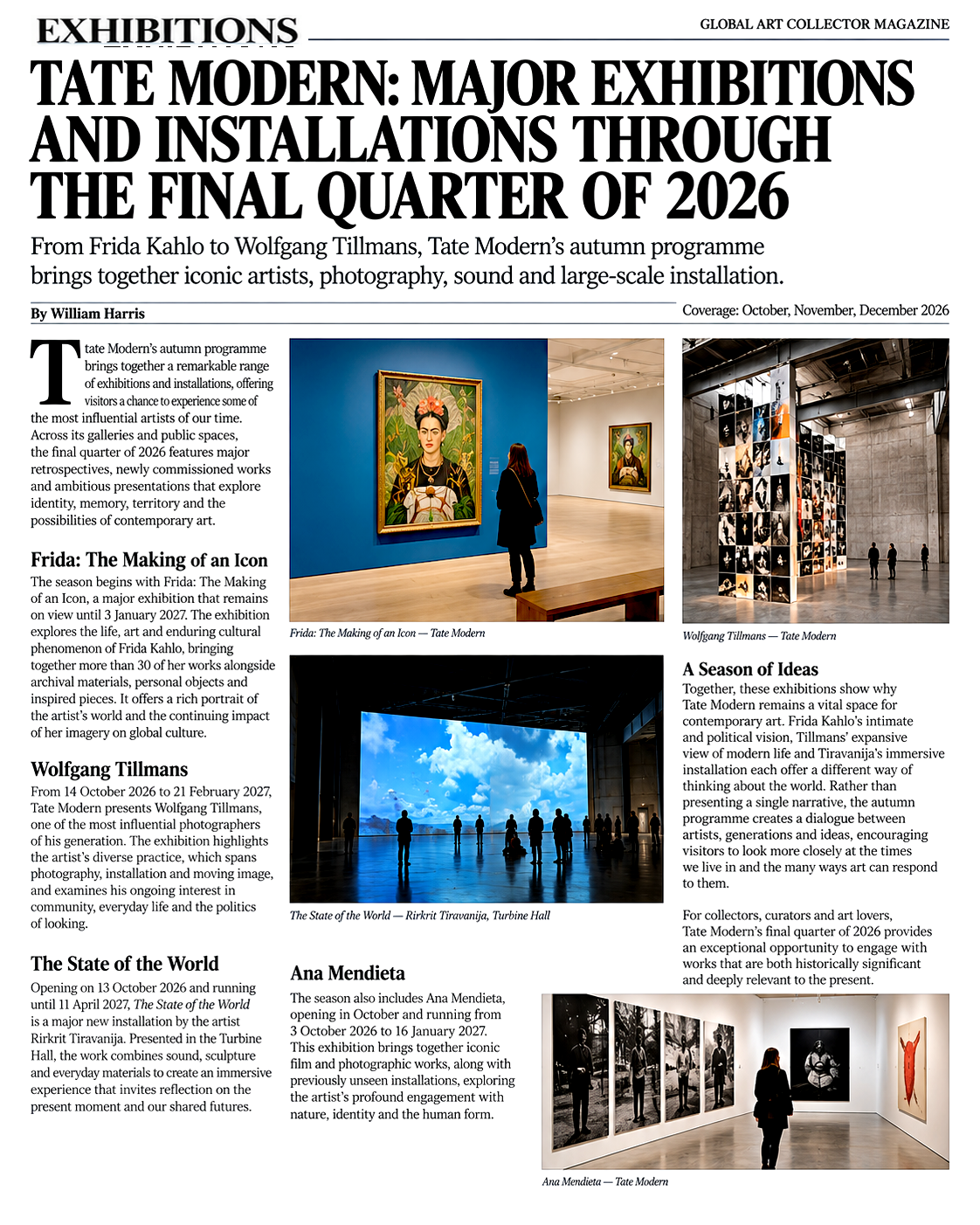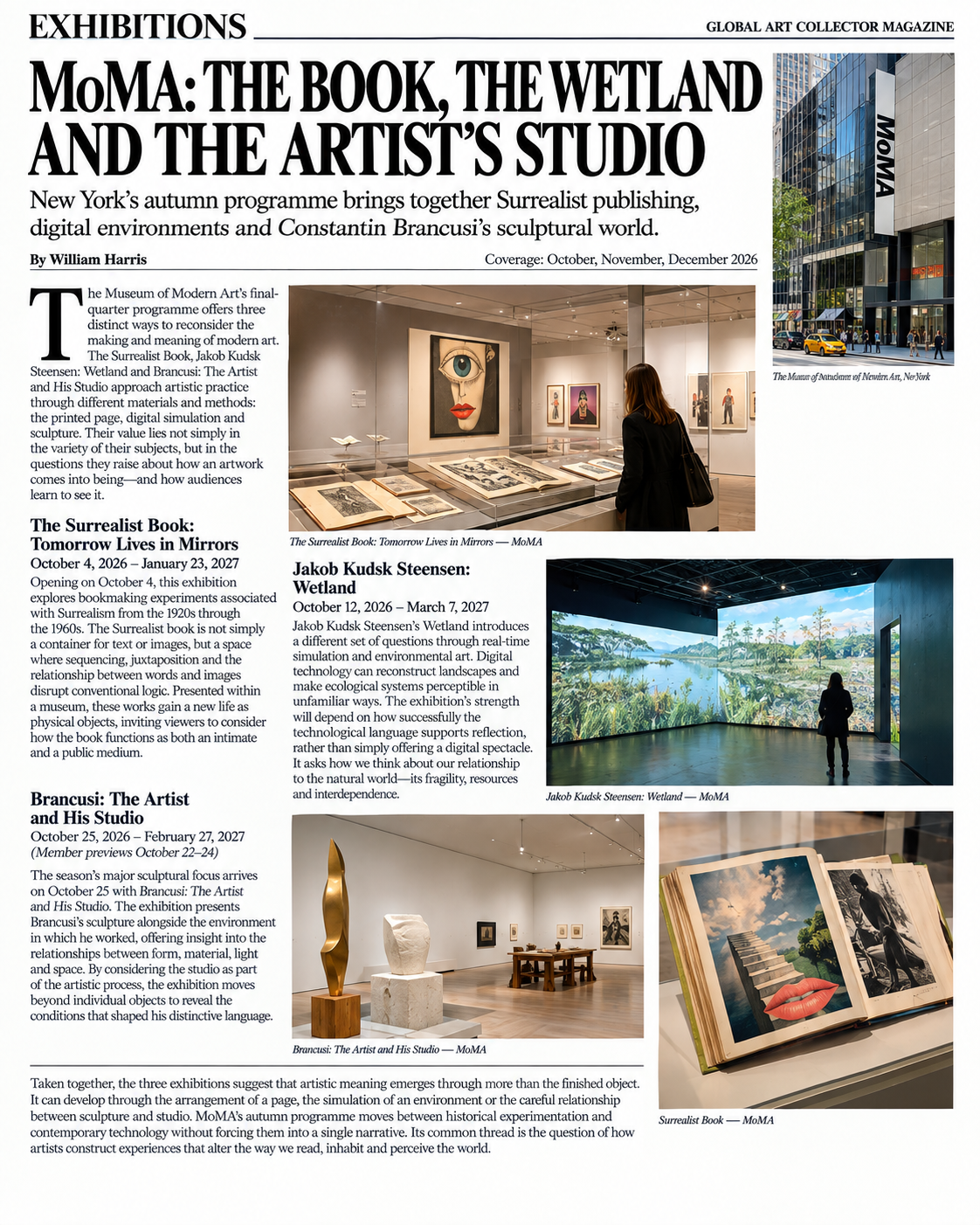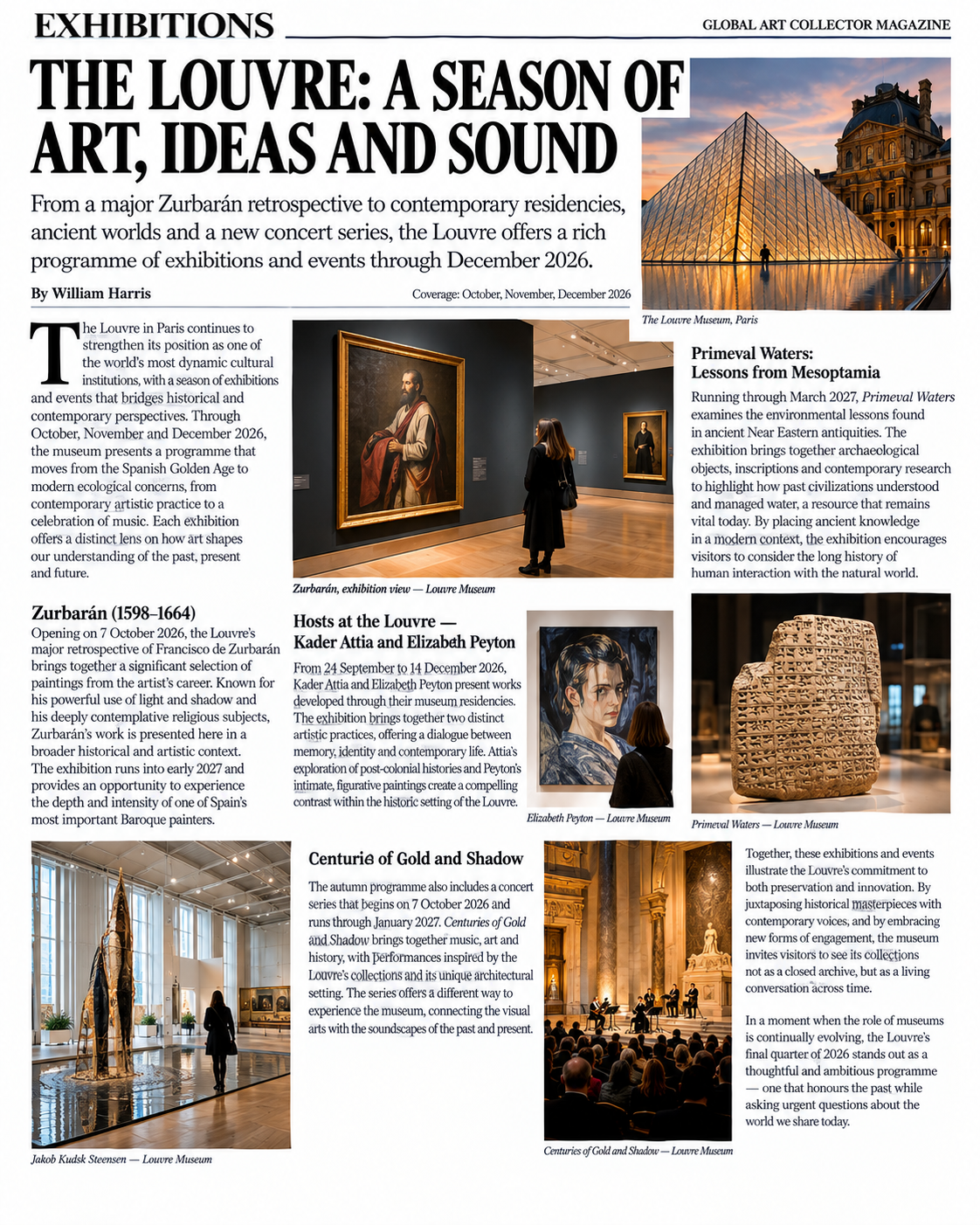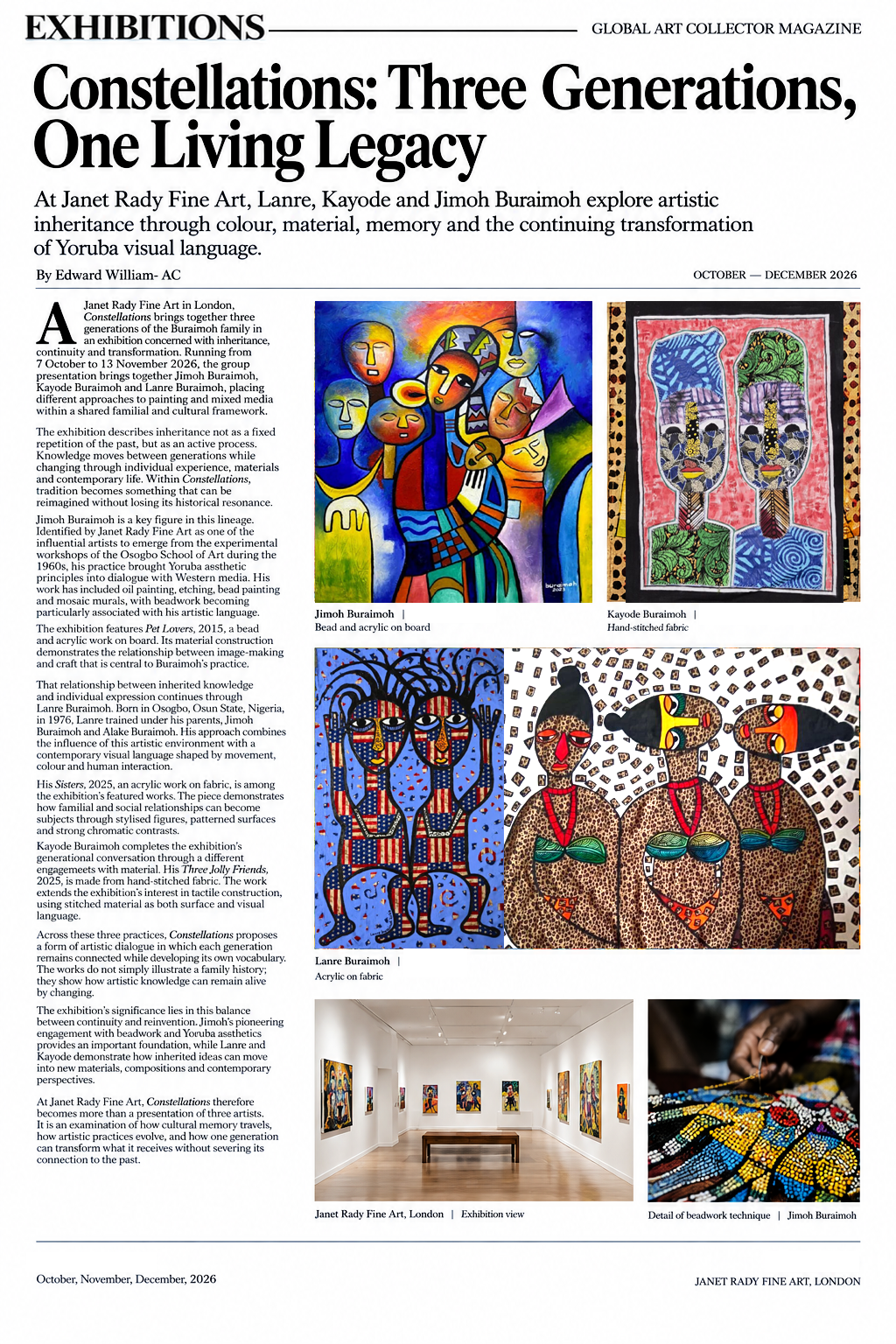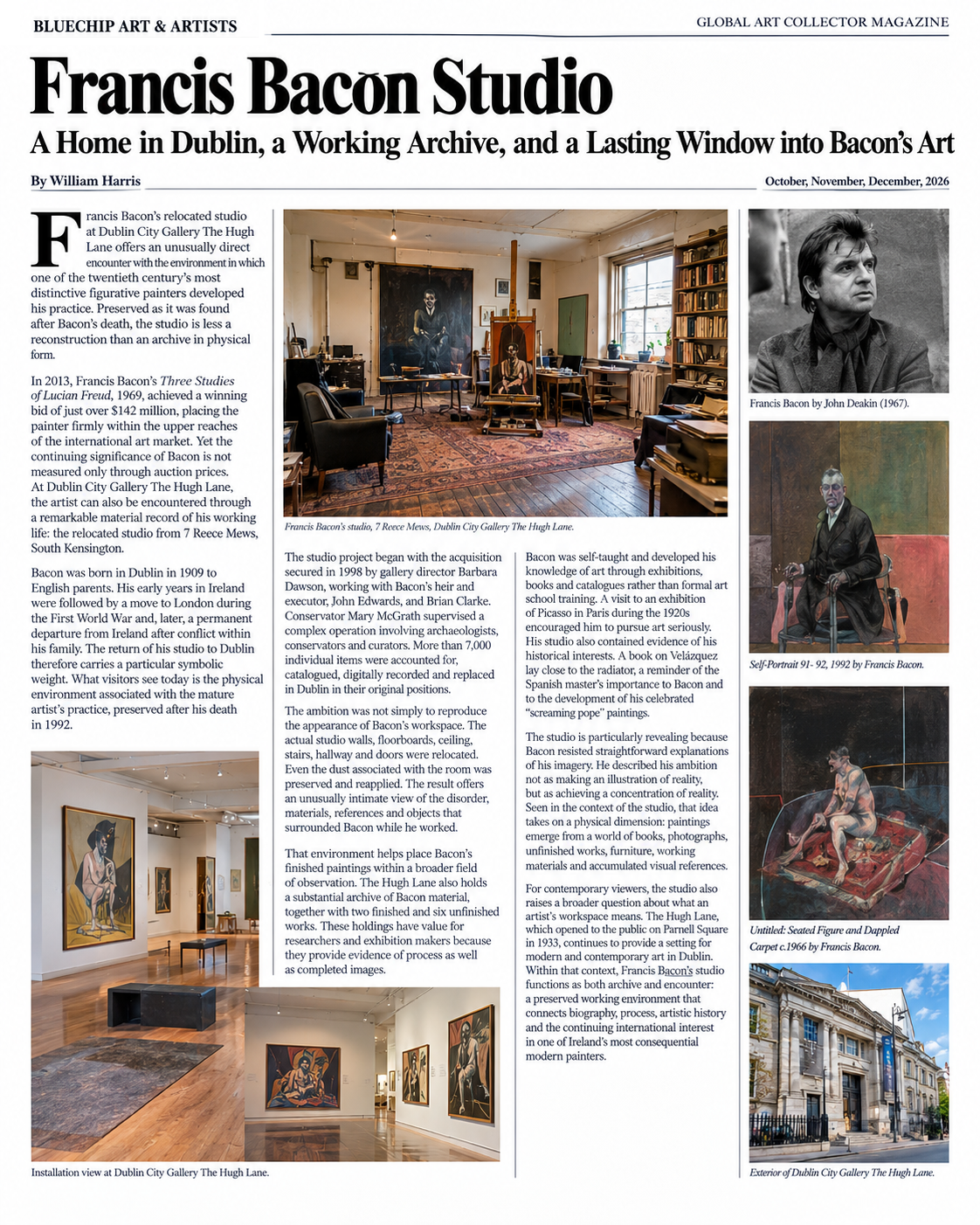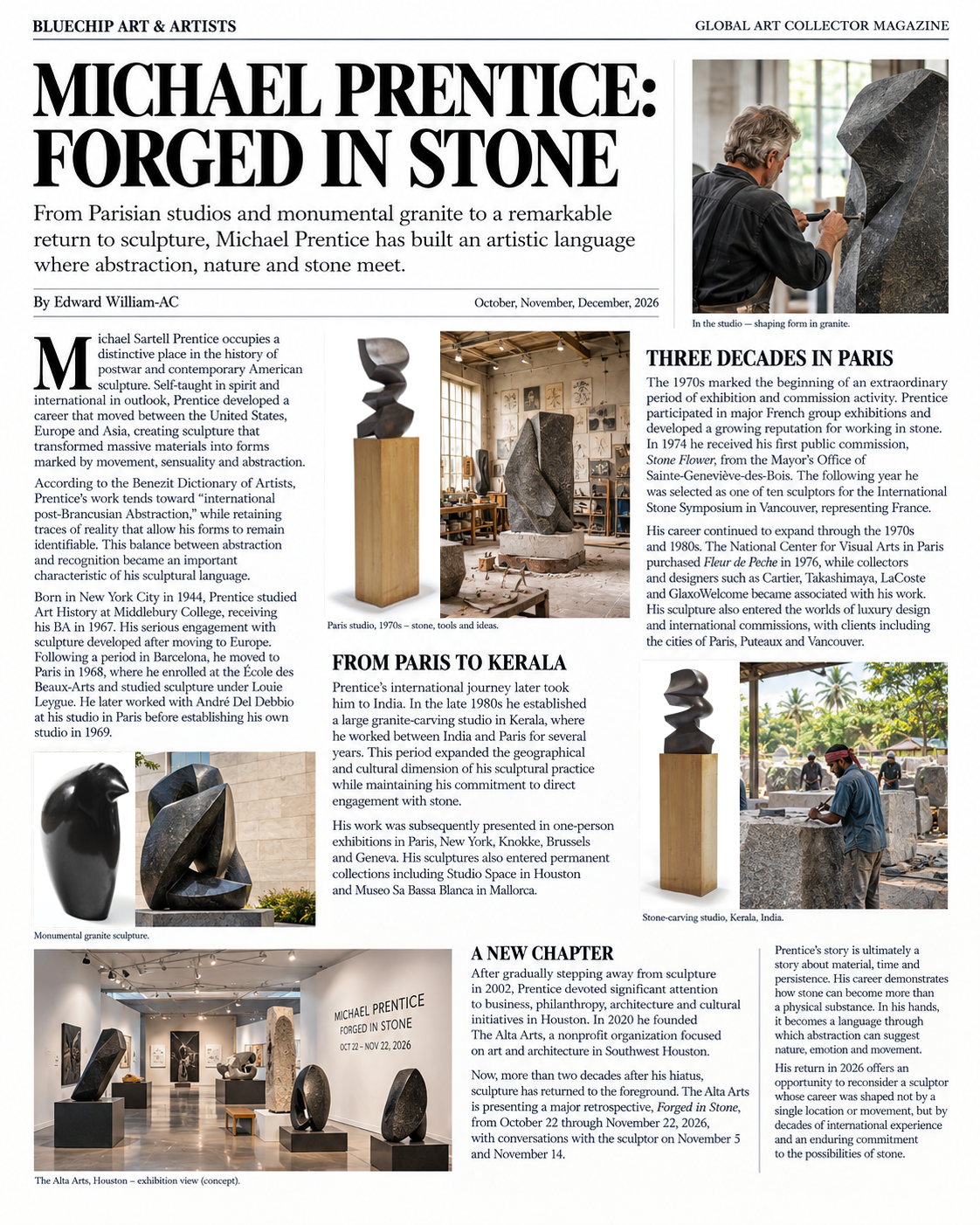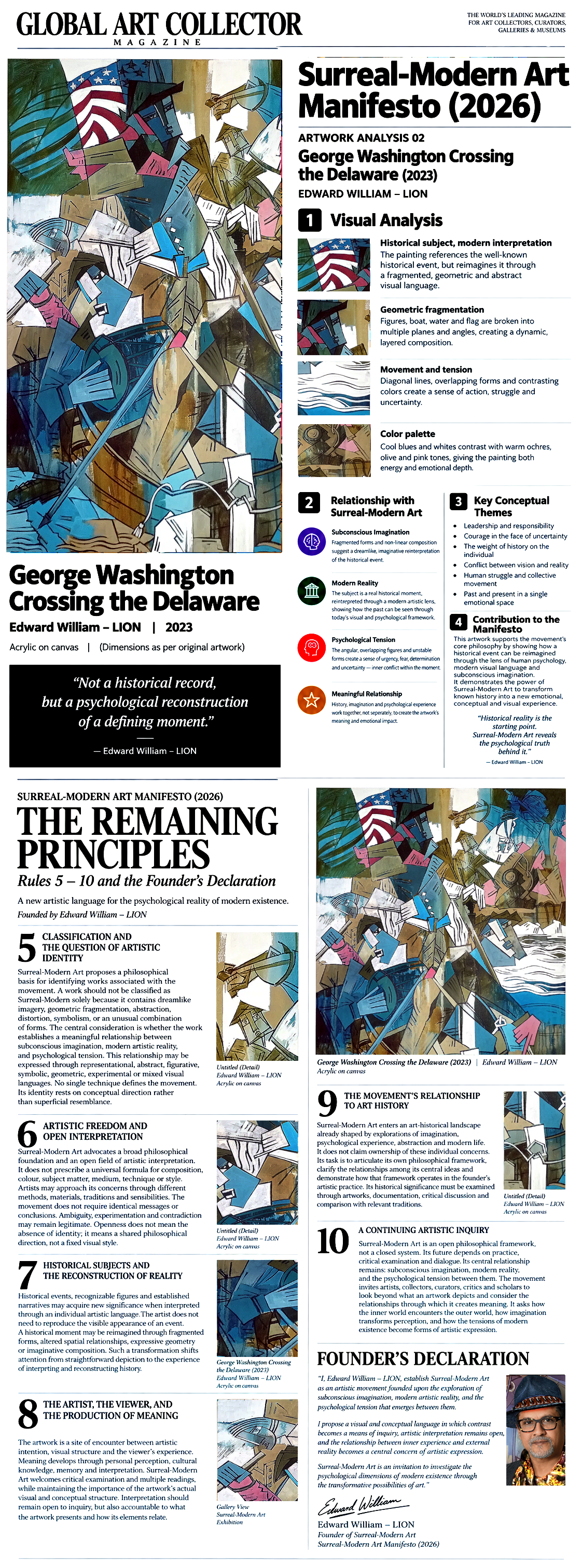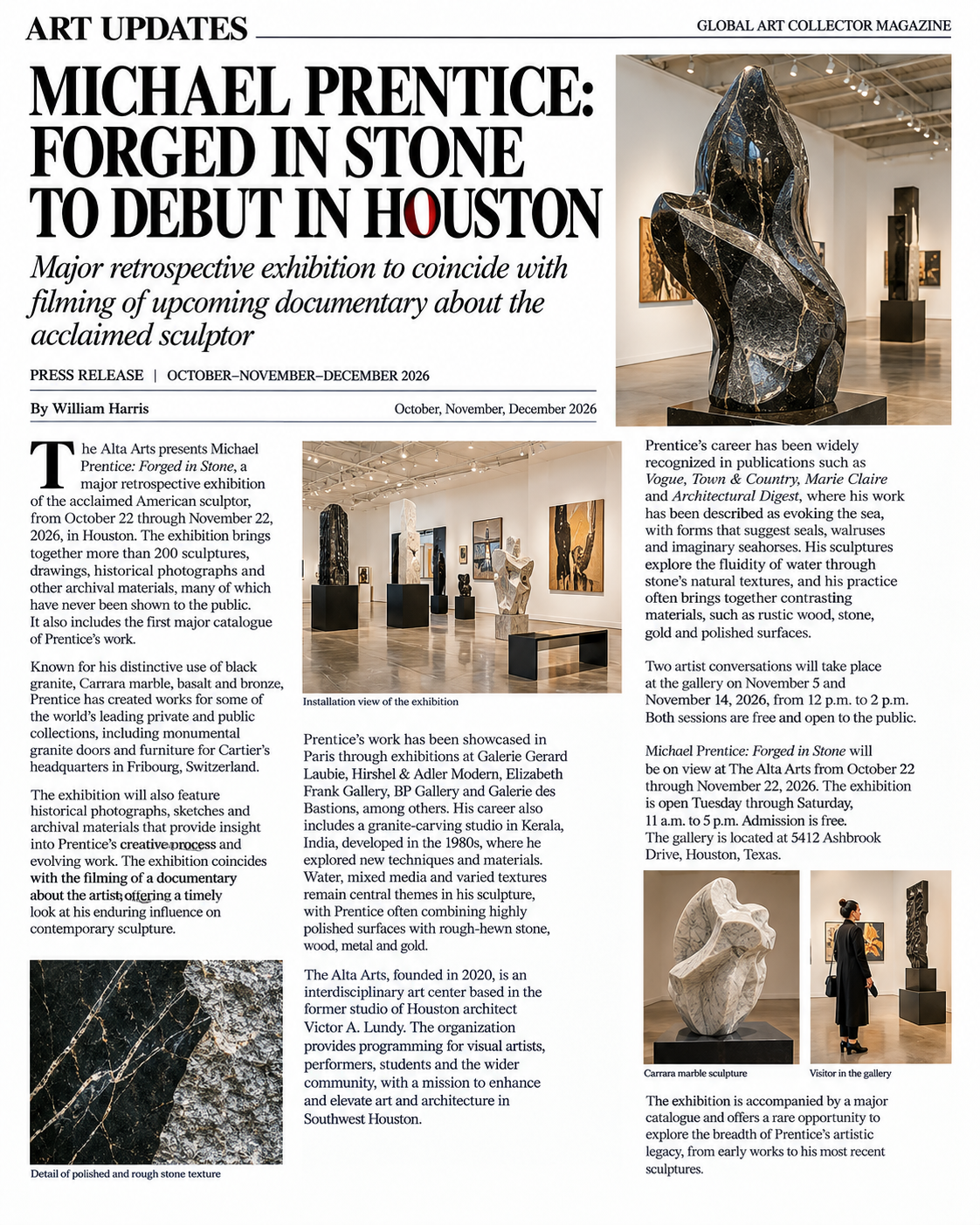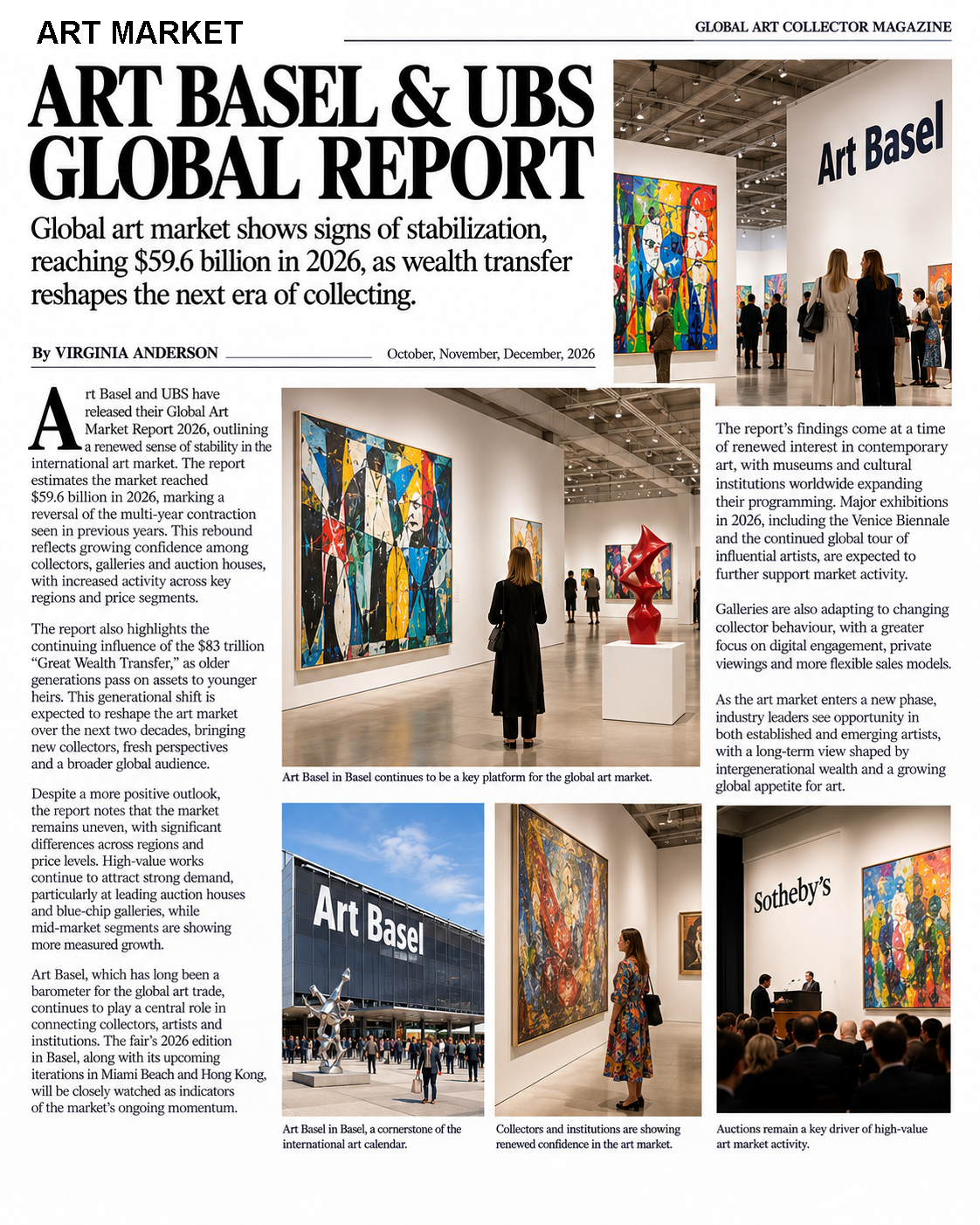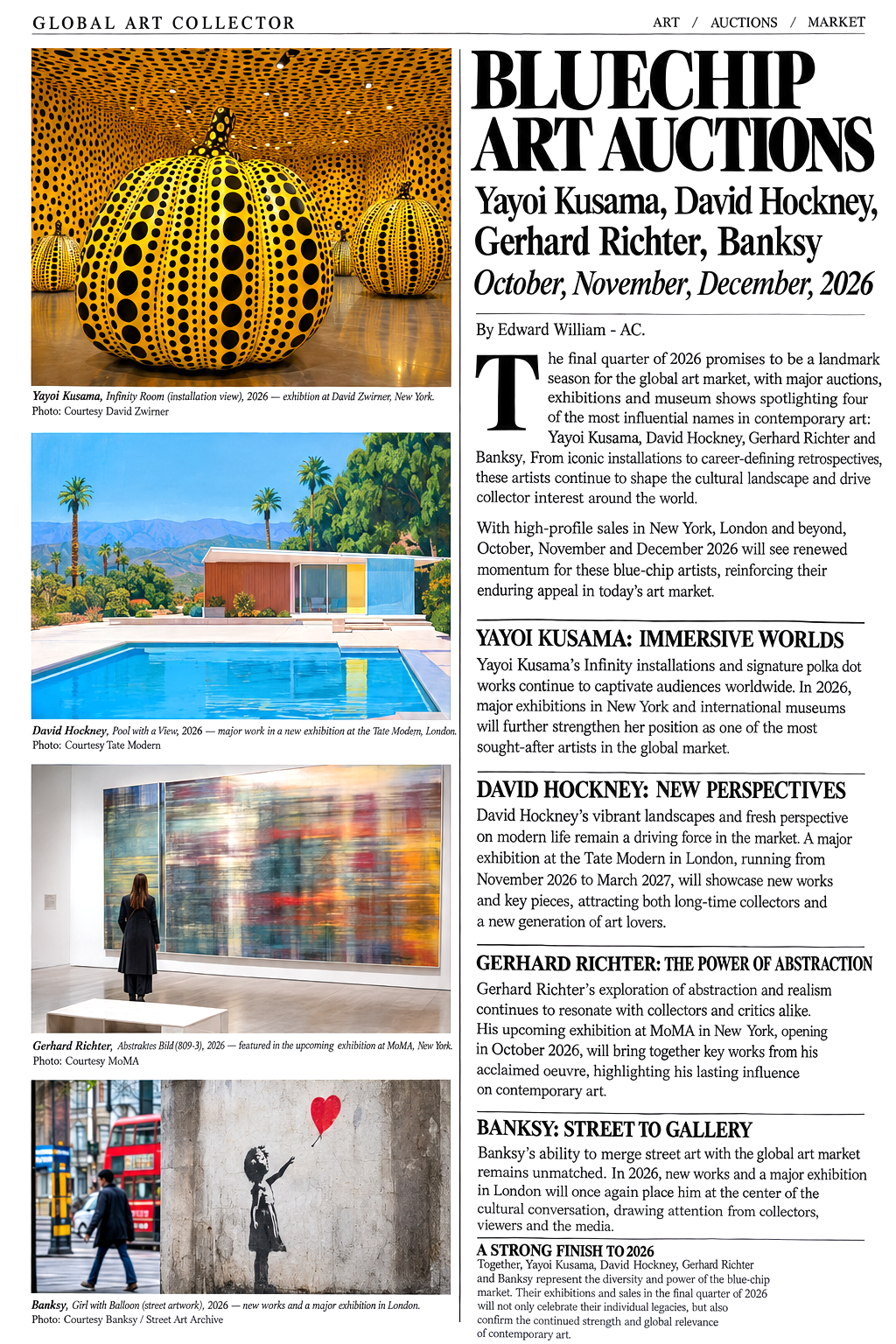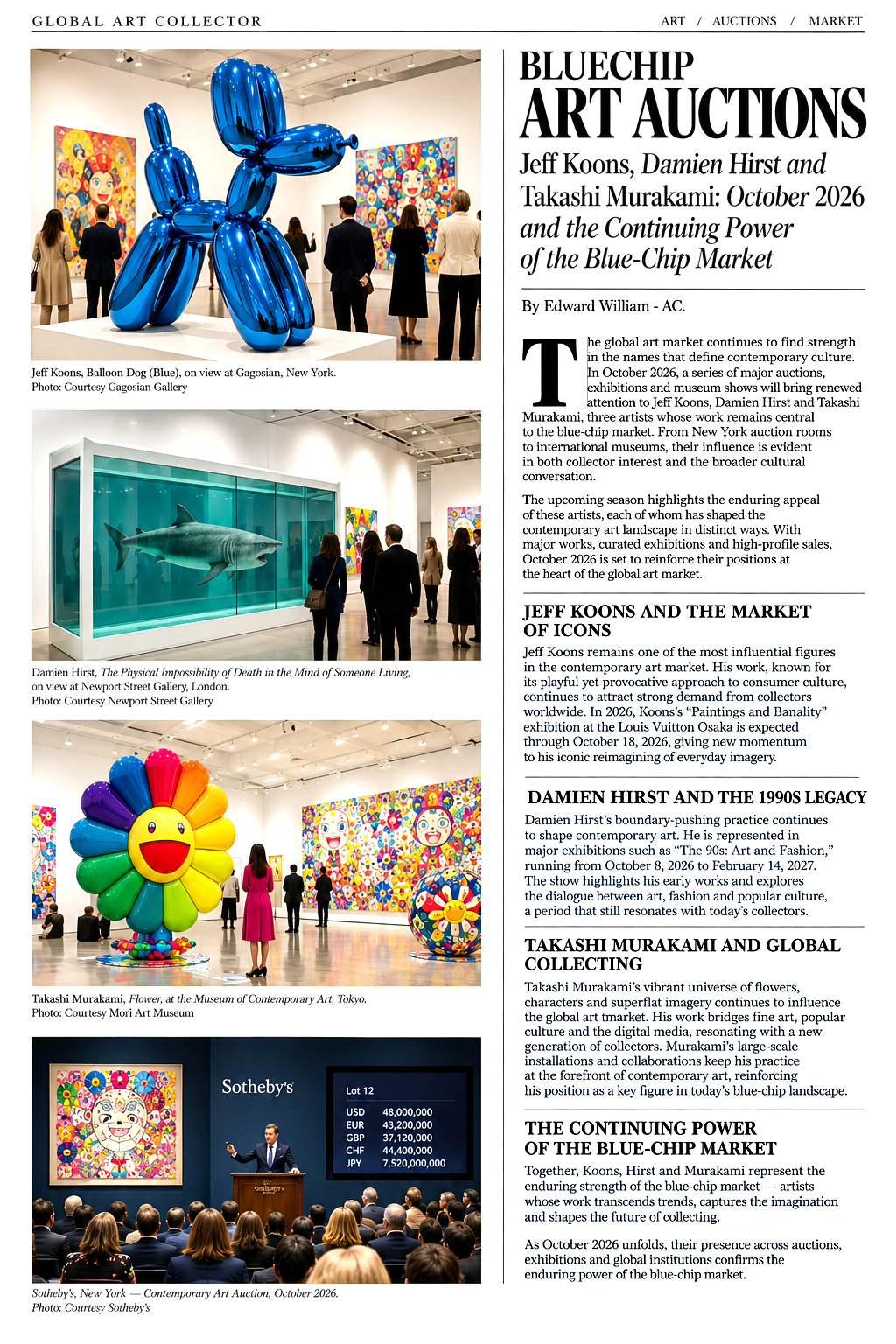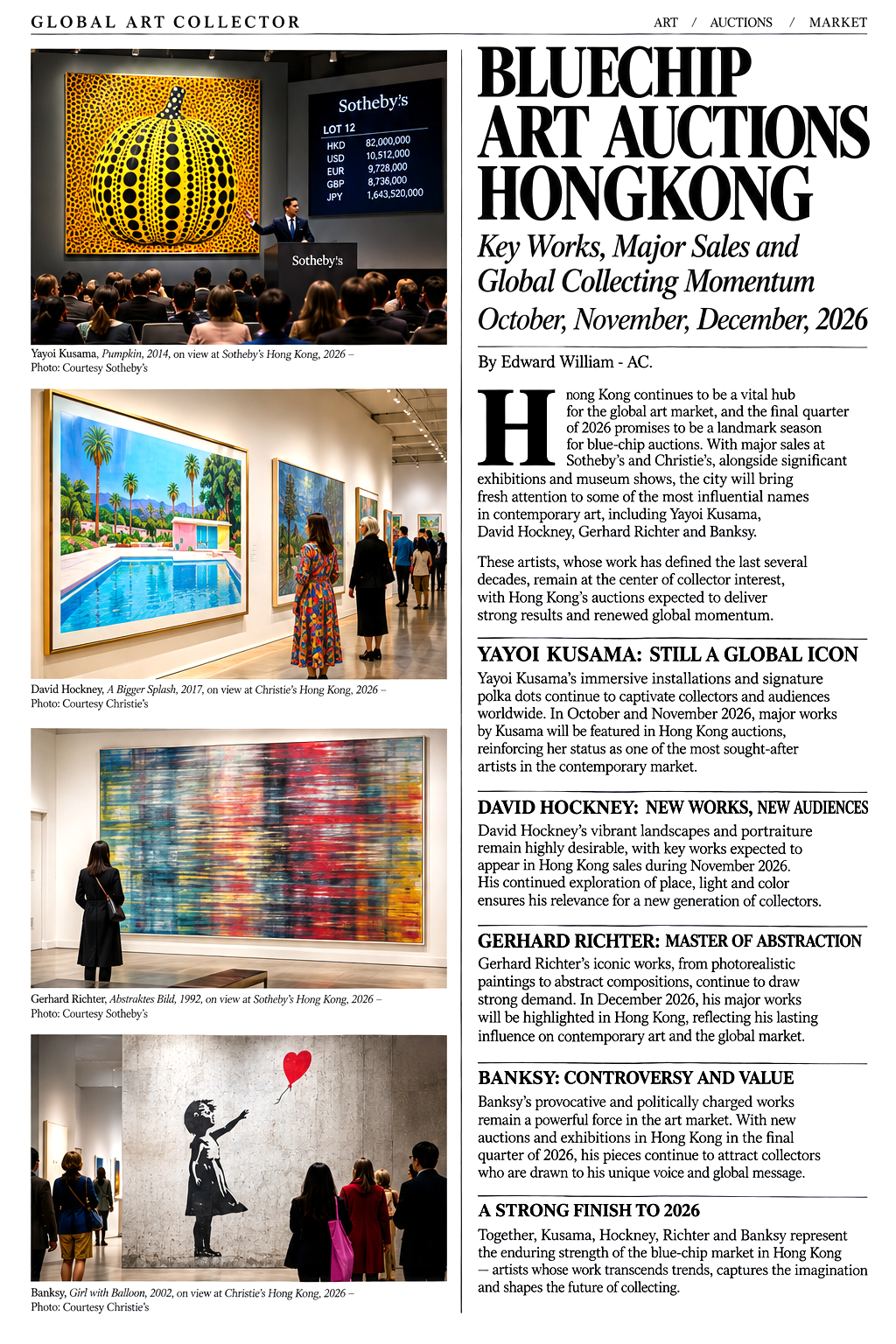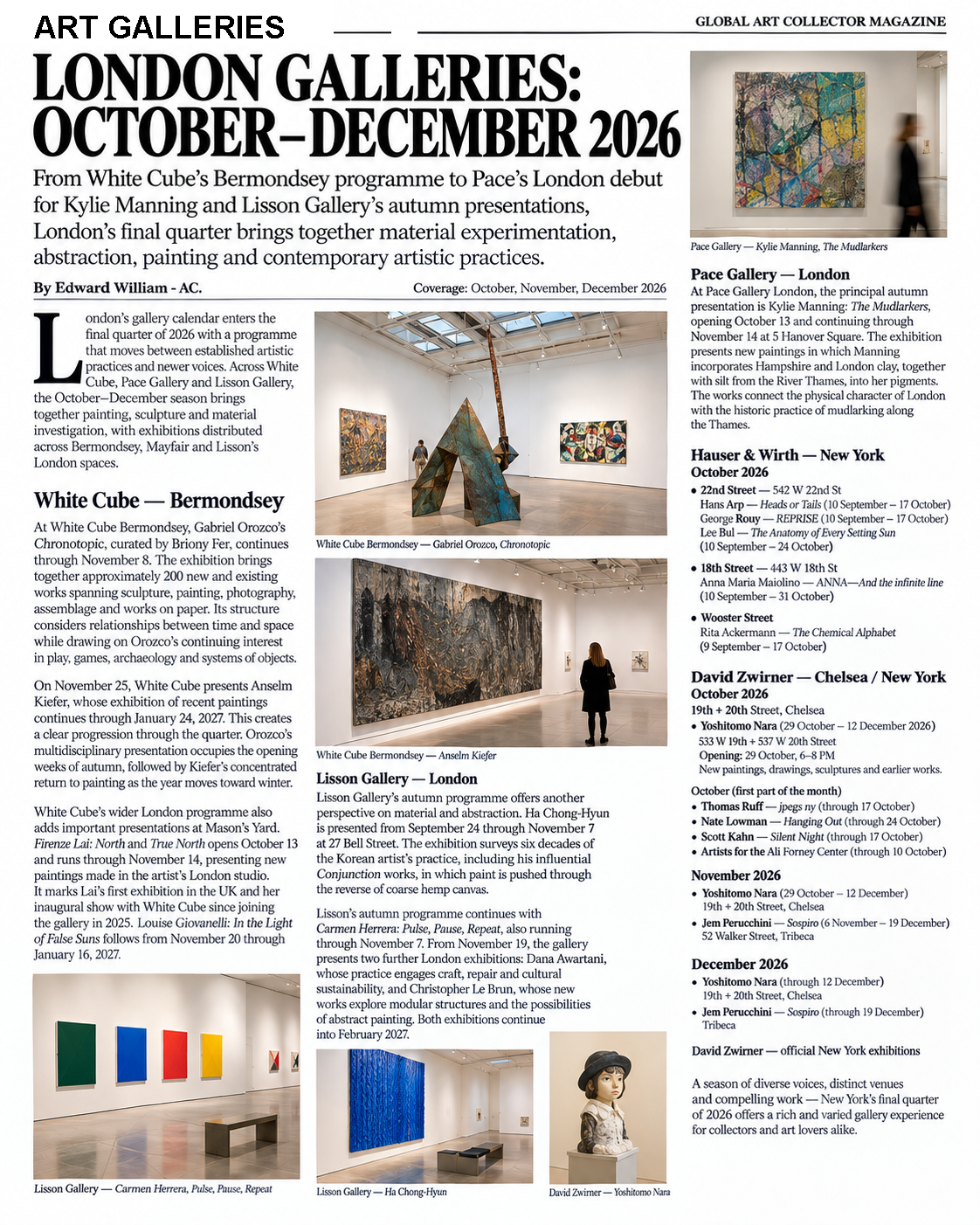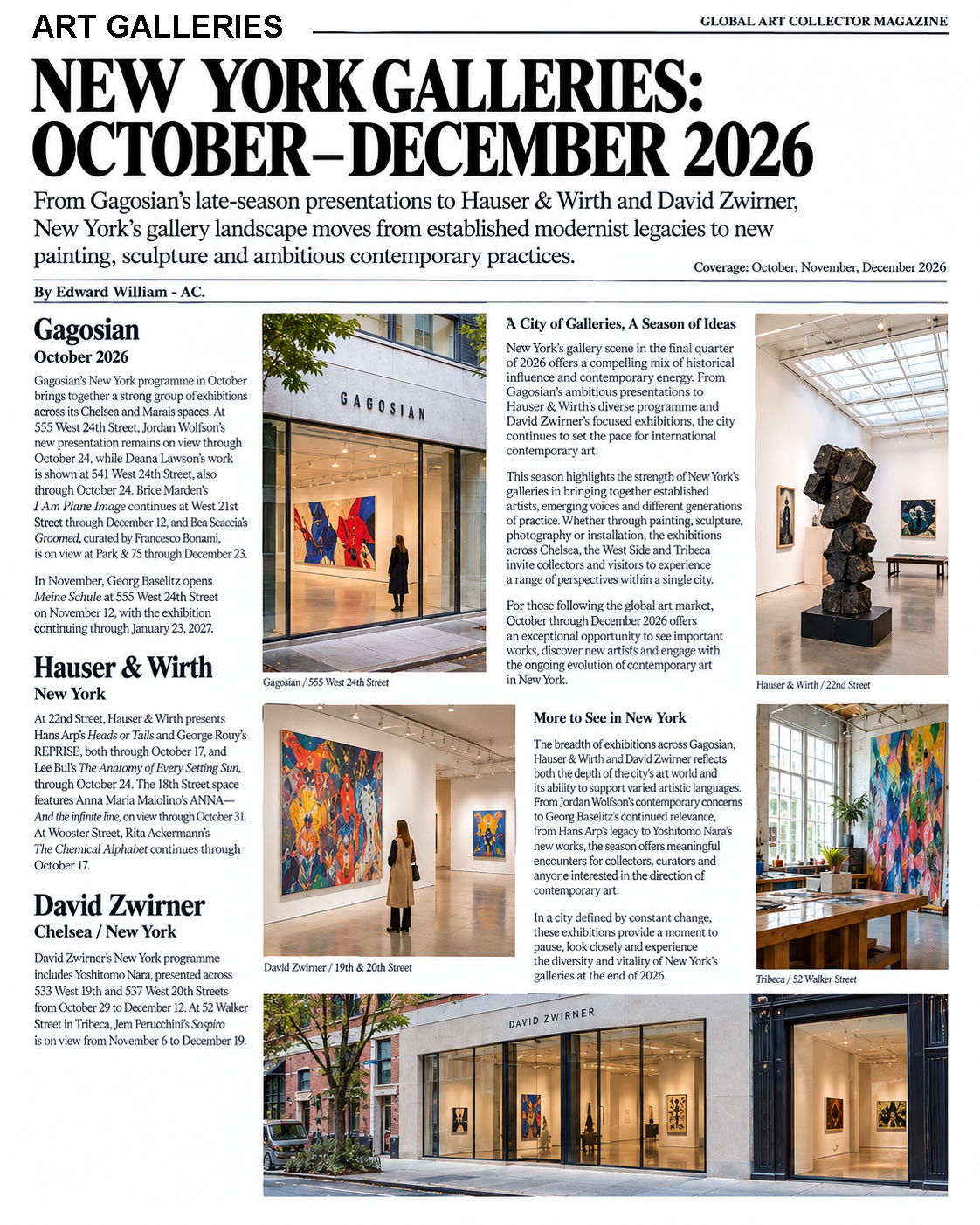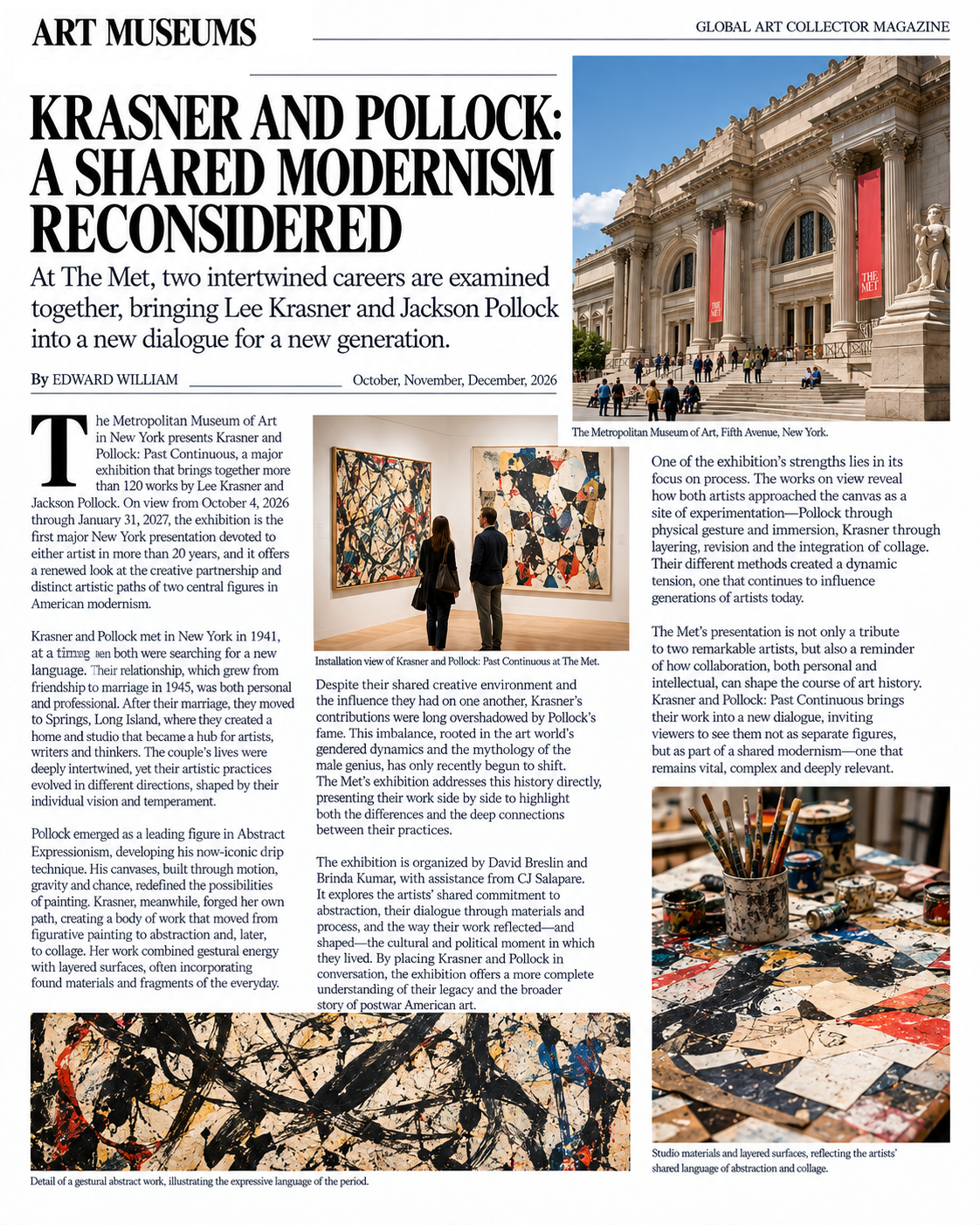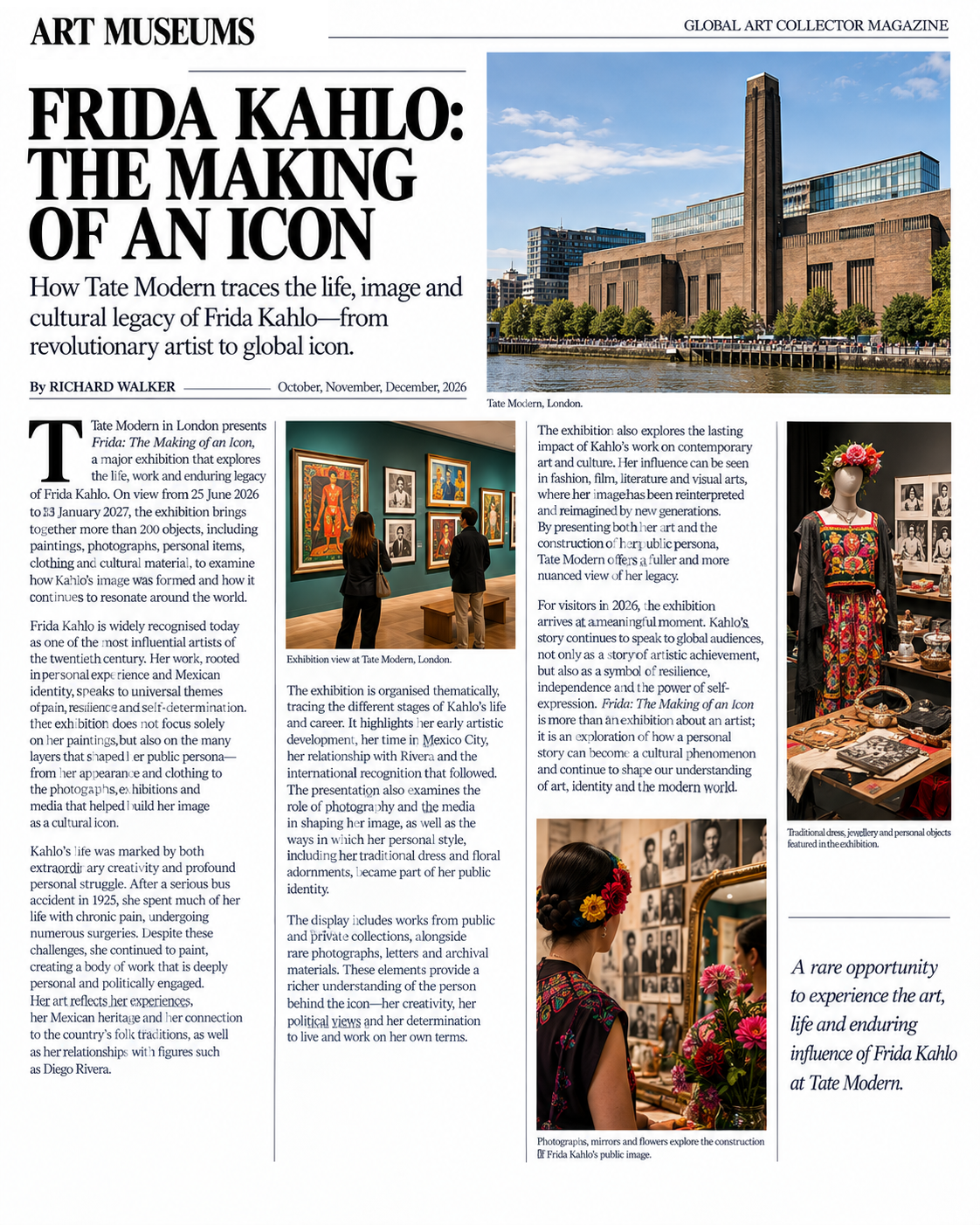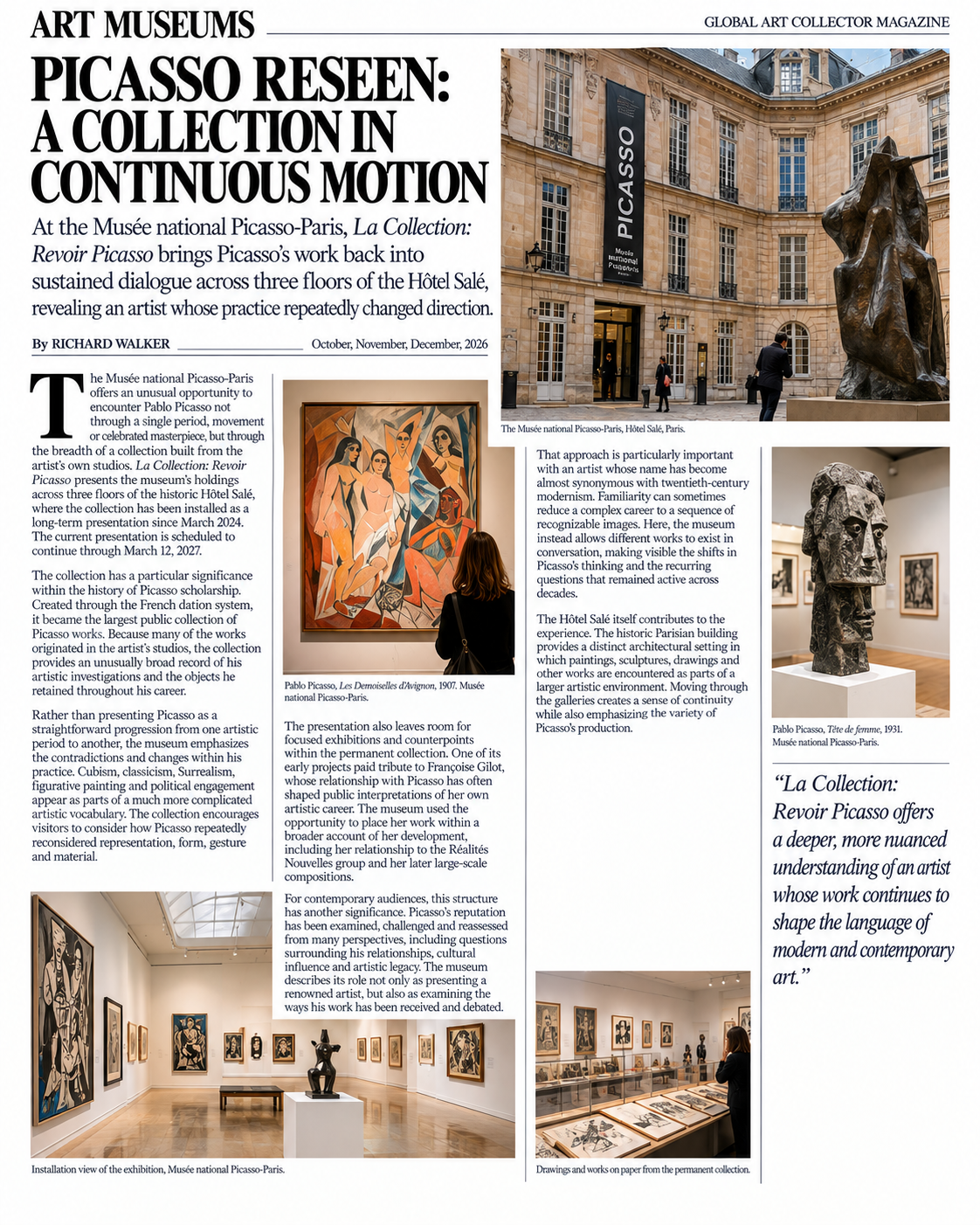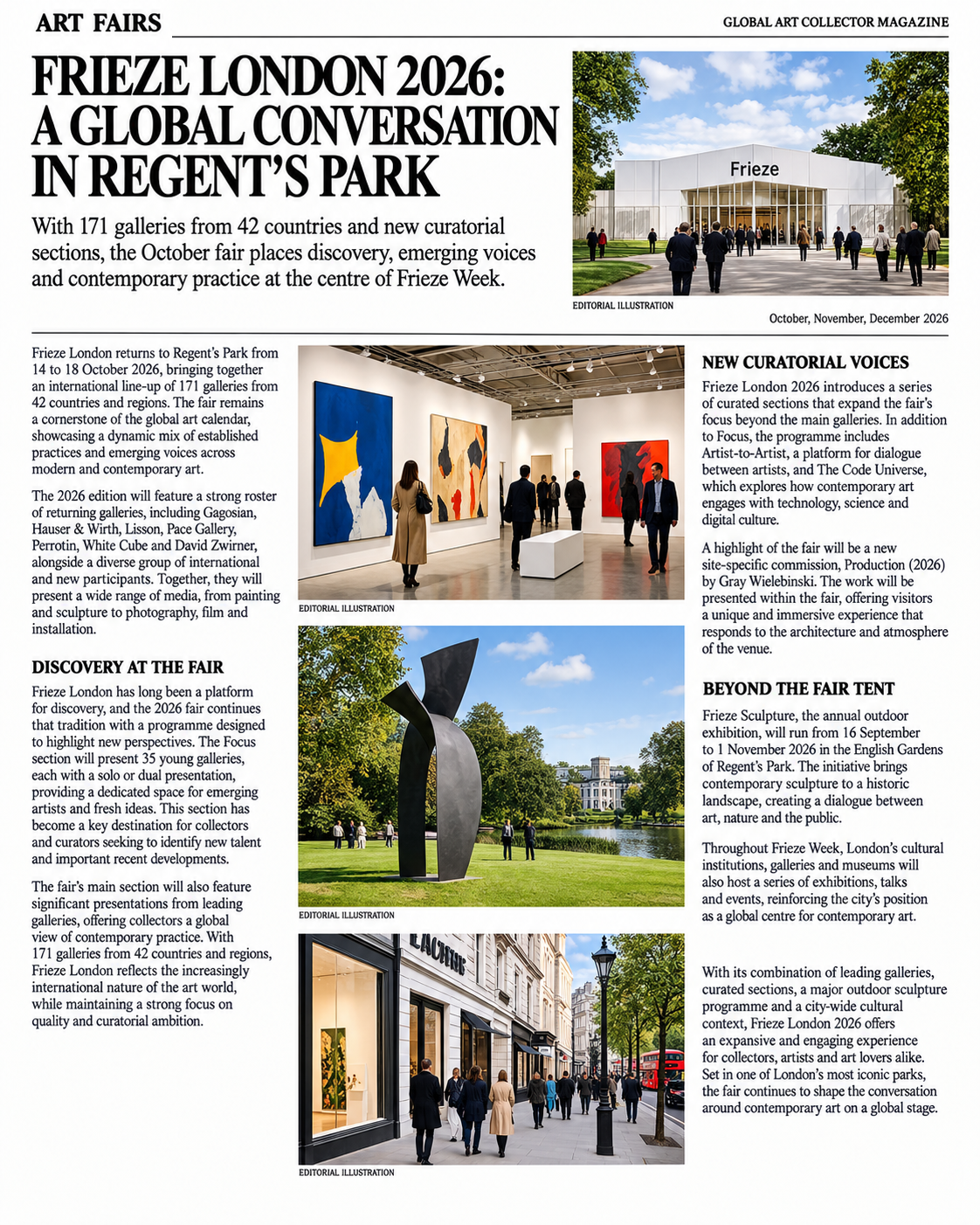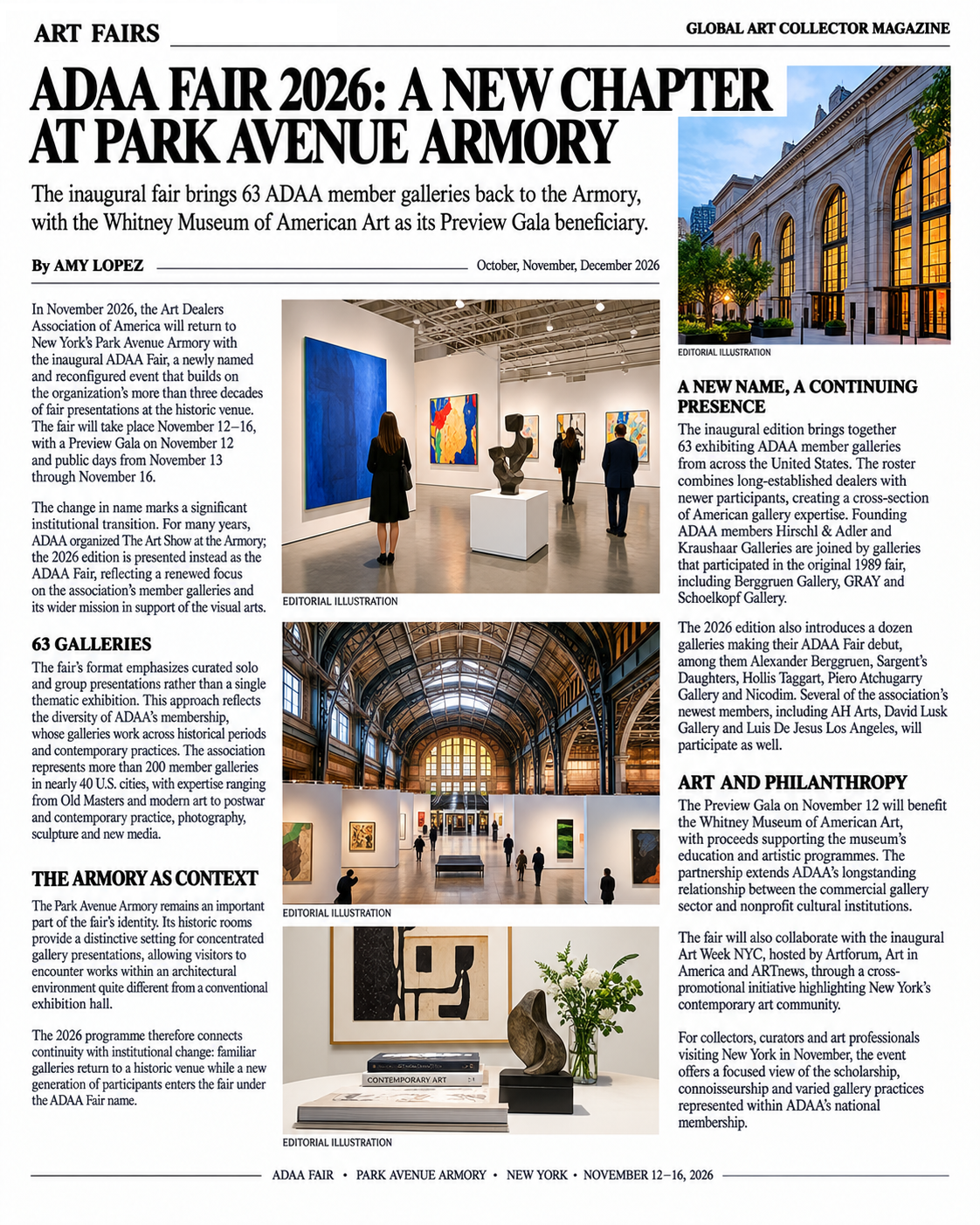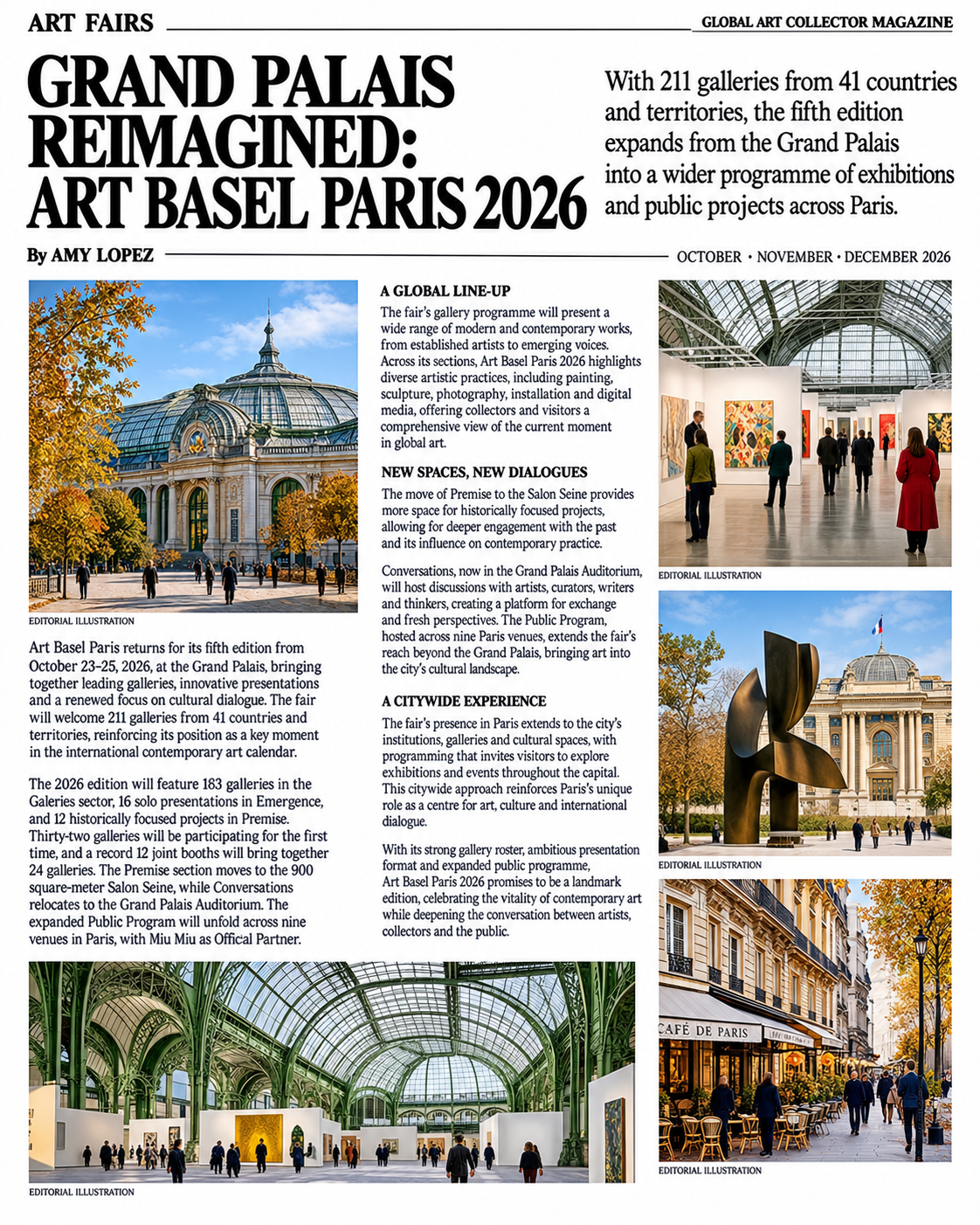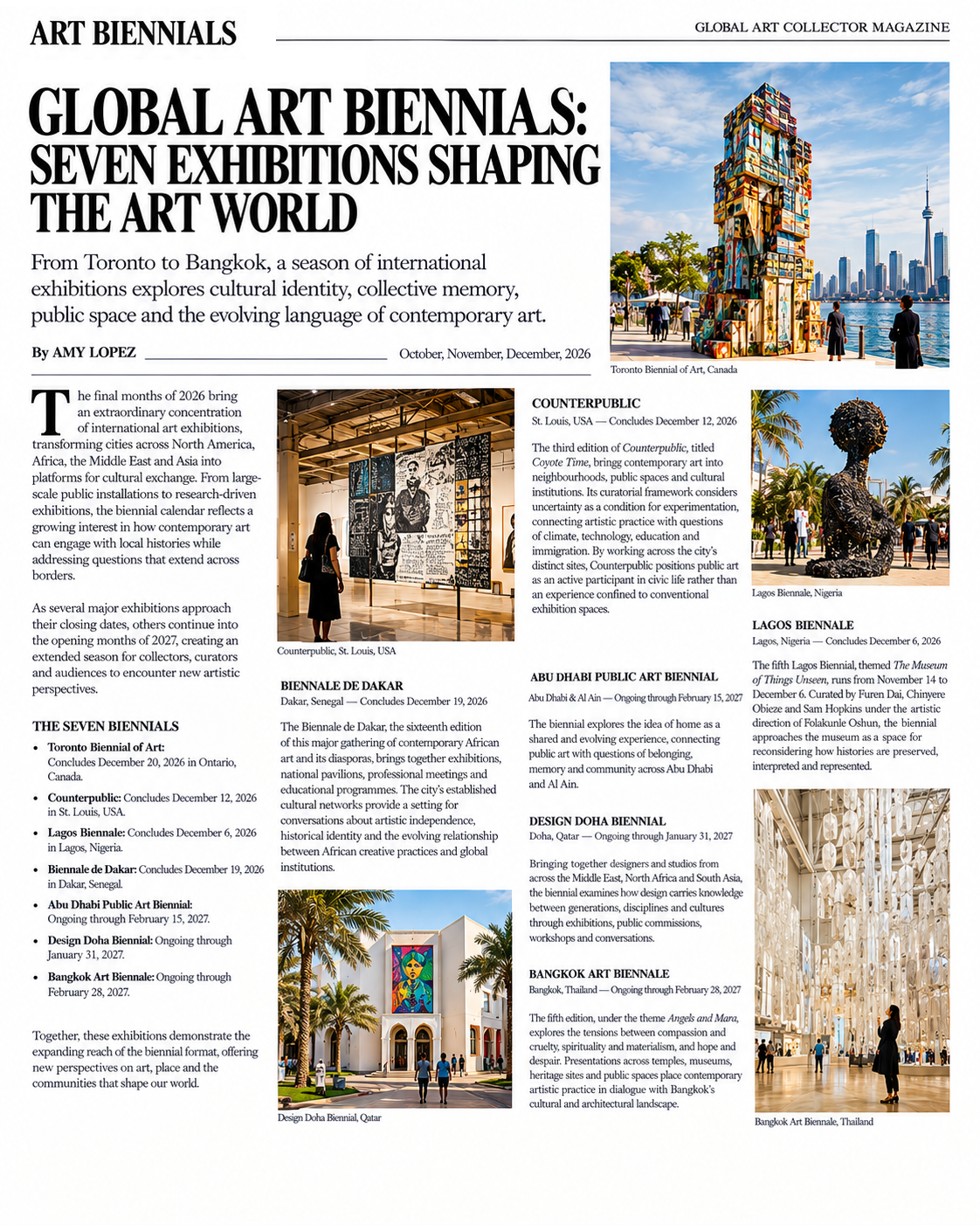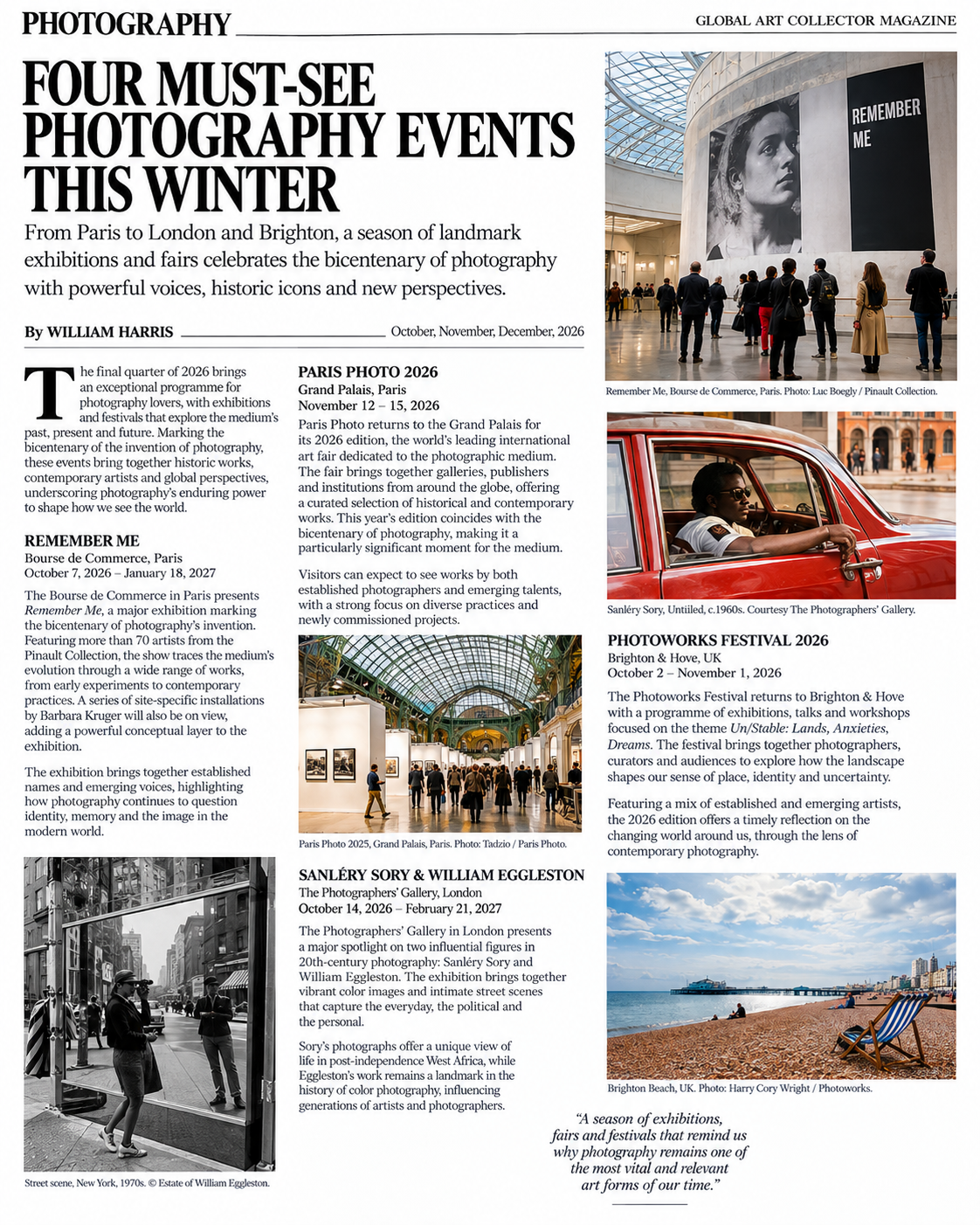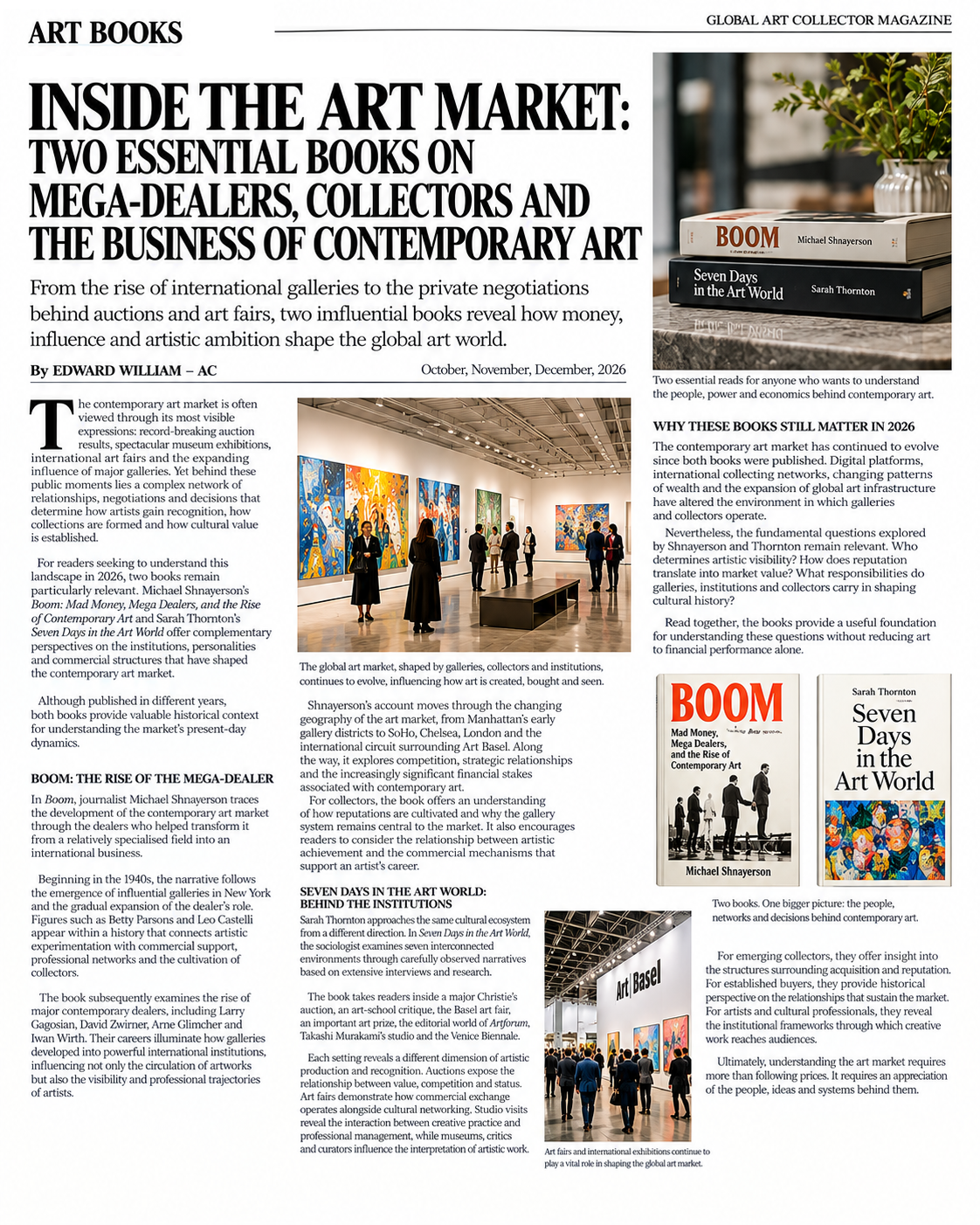
When Art Basel opens its doors again in Basel — the fair’s spiritual home — in 2026,insiders will be watching not just for marquee names and blockbuster sales, but for thesubtler recalibration of what blue‑chip prestige means in an art world that has weatheredmarket contraction, geopolitical upheaval, and the rise of non‑traditional arenas of culturalinfluence. Art Basel has always been more than an art fair; it is market ritual, collectorpilgrimage site, and — increasingly — a strategic hub in global cultural diplomacy.
When Art Basel opens its doors again in Basel — the fair’s spiritual home in 2026,insiders will be watching not just for marquee names and blockbuster sales, but for the subtler recalibration of what blue‑chip prestige means in an art world that has weather demarked contraction, geopolitical upheaval, and the rise of non‑traditional arenas of cultural influence. Art Basel has always been more than an art fair; it is market ritual, collector pilgrimage site, and increasingly a strategic hub in global cultural diplomacy.

Image source: Flickr
From Basel to the World: A Fair in FluxWith 290 gallery participants representing over four dozen countries, the 2026 Baseledition stands as a testament to the fair’s enduring magnetism for power collectors andinstitutional curators alike. Yet beneath the impressive roster lies a shifting zeitgeist:
galleries and stakeholders are navigating a marketplace where exclusivity no longer simplymeans price tags, but means cultural relevance, narrative control, and experiential curation.In previous years, success was measured in trophy works and record sale figures. In 2026,the conversation has expanded to encompasscultural capital, with galleries seeking toshape the fair’s narrative arcs through thematic clusters, immersive installations, andcross‑disciplinary dialogues. Basel is no longer just a sales floor — it is a stage on whichglobal art discourseis written and rewritten.

The New Collector ProfileCollectors today are a more heterogeneous cohort than a decade ago. Alongsideestablished Western patrons, there is an unmistakable rise of collectors emerging fromAsia, the Middle East, and beyond, who bring different collecting philosophies andinstitutional ambitions. Their presence at Basel reflects not just purchasing power but adesire to shift how artistic value is defined on a global scale.Dealers have adapted accordingly. In 2026, it’s not uncommon to see galleries framingtheir offerings with bespoke intellectual programming — salon discussions, curatorwalk‑throughs, and digital experiences — aimed at engaging these sophisticated newparticipants in ways that extend beyond transactional exchange.Beyond the Booth: Curatorial FuturesCuratorial programming at Basel 2026 has increasingly adopted athematic resonancethatspeaks to urgent global concerns: ecology, post‑colonial narrative reclamation, digitalhybridity, and embodied identity. Galleries are no longer merely showing art; they arestaging arguments — and Basel’s architecture is responding.From specially commissioned site‑specific works to AI‑enhanced immersive environments,the fair blends high art craftsmanship with emerging conceptual technologies. It’s a terrainwhere tradition meets innovation, inviting attendees to ponder not onlywhatthey arelooking at, butwhyit matters in the unfolding cultural moment.A New Language of ValueIn past cycles, the Basel world was dominated by auction house buzz, market indexes, andheadline sales numbers. Today, value is as much aboutnetwork ecologythe quality ofintellectual affiliations, museum commitments, and secondary market resonance as about high‑water prices.
Venues that once competed primarily on rarity now compete on relevance: who curatedthe most compelling narrative arc, whose pavilion sparked the most meaningful scholarlyinterest, whose programming best captured the spirit of a globally connected artecosystem.
Asia’s Art March: Hong Kong at the Heart of the Blue‑Chip CircuitA Week That Redefined Asia’s Place in the Art World’s Elite Calendar

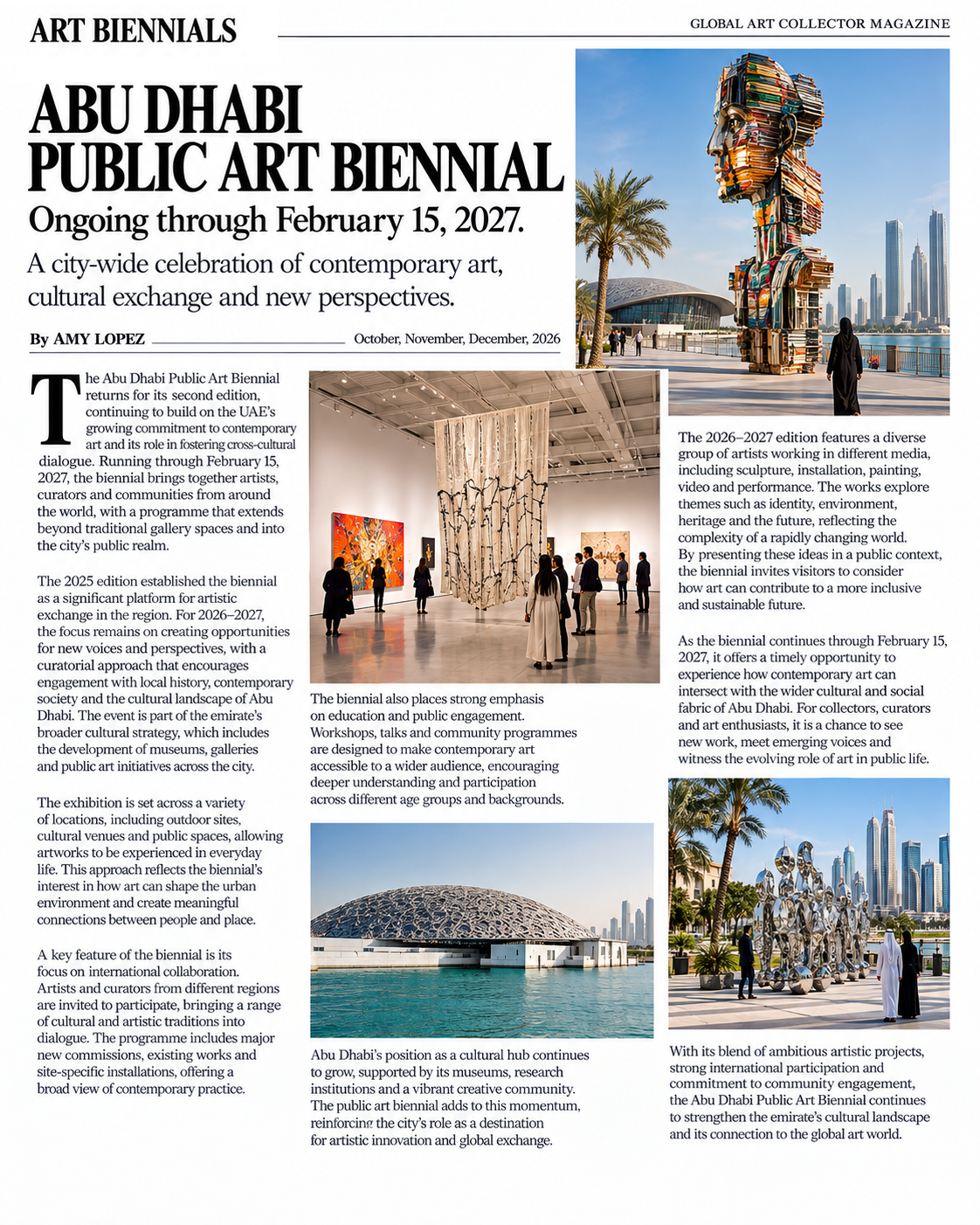
Art Basel Hong Kong remains the centerpiece of this month’s cultural choreography — notsolely because of its prestige, but because of thecontextin which it exists. Galleries andcollectors from Beijing, Seoul, Tokyo, Singapore, Dubai, Europe, and North Americadescend into the city, converging at the Hong Kong Convention and Exhibition Centre fora fair experience that blends commerce with cosmopolitan flair.

The fair’s program is meticulously balanced: established blue‑chip galleries anchor themain halls with canonical works from post‑war masters alongside key contemporaryfigures, while satellite sections and curated sectors amplify emerging voices from acrossthe Asia‑Pacific.Collectors often speak of thefirst lookpreview — an opening that resembles a theatricalpremiere more than a commercial event — wherein the truly consequential transactionsand cultural commitments are whispered among the elite long before the public daysbegin

What differentiates Hong Kong’s Art March from other fairs is itslayered culturalinfrastructure. Museums such as M+, Para Site, and Tai Kwun host concurrent exhibitionsthat range from retrospective surveys to cutting‑edge installations, allowing fairgoers totransition — almost seamlessly — between blue‑chip market spaces and deep scholarlyengagement.It is this blend ofcommerce and cultural rigourthat positions Hong Kong as a vitalcounterpart to the Basel legacy. Galleries curate booths that are as much exhibitions asthey are market showcases, presenting works with contextual narratives and intentionalcross‑referencing to the region’s historical and contemporary currents.
Art March’s vibrancy is also a result of itsdemographic hybridity. The international collector— once typified as a Western elite — now shares the space with influential Asian andMiddle Eastern patrons whose perspectives on collecting often prioritize narrative depthand cultural resonance over pure rarity or price dynamics.For many of these collectors, Hong Kong represents abridge— a place where Asianartistic narratives engage with Western art historical canon on equal footing.
This dialogueplays out not only in gallery presentations but in curatorial partnerships, museumcollaborations, and long‑term collection strategies.
Social life during Art March is itself a form of cultural expression. Evenings are layered withVIP salons, institutional dinners, artist talks, and private viewings that defy easycategorisation. They embody the idea that art — especially at the highest echelons — is asmuch aboutcommunity and exchangeas it is about acquisition.The fair’s ancillary events — group presentations, performance art activations, andcross‑disciplinary forums — have begun shaping Hong Kong’s identity as an intellectualtheatre as much as a commercial hub.
What makes Art March 2026 particularly consequential isn’t simply its success as a fairseason, but its affirmation ofregional agencyin shaping global art market rhythms. Asia’scollectors, curators, and institutions are no longer peripheral actors; they are centralparticipants whose influence is felt in every sale, every museum commitment, and everyscholarly dialogue.Hong Kong’s Art March did more than draw crowds — itredefined geographywithin theart world’s power map.
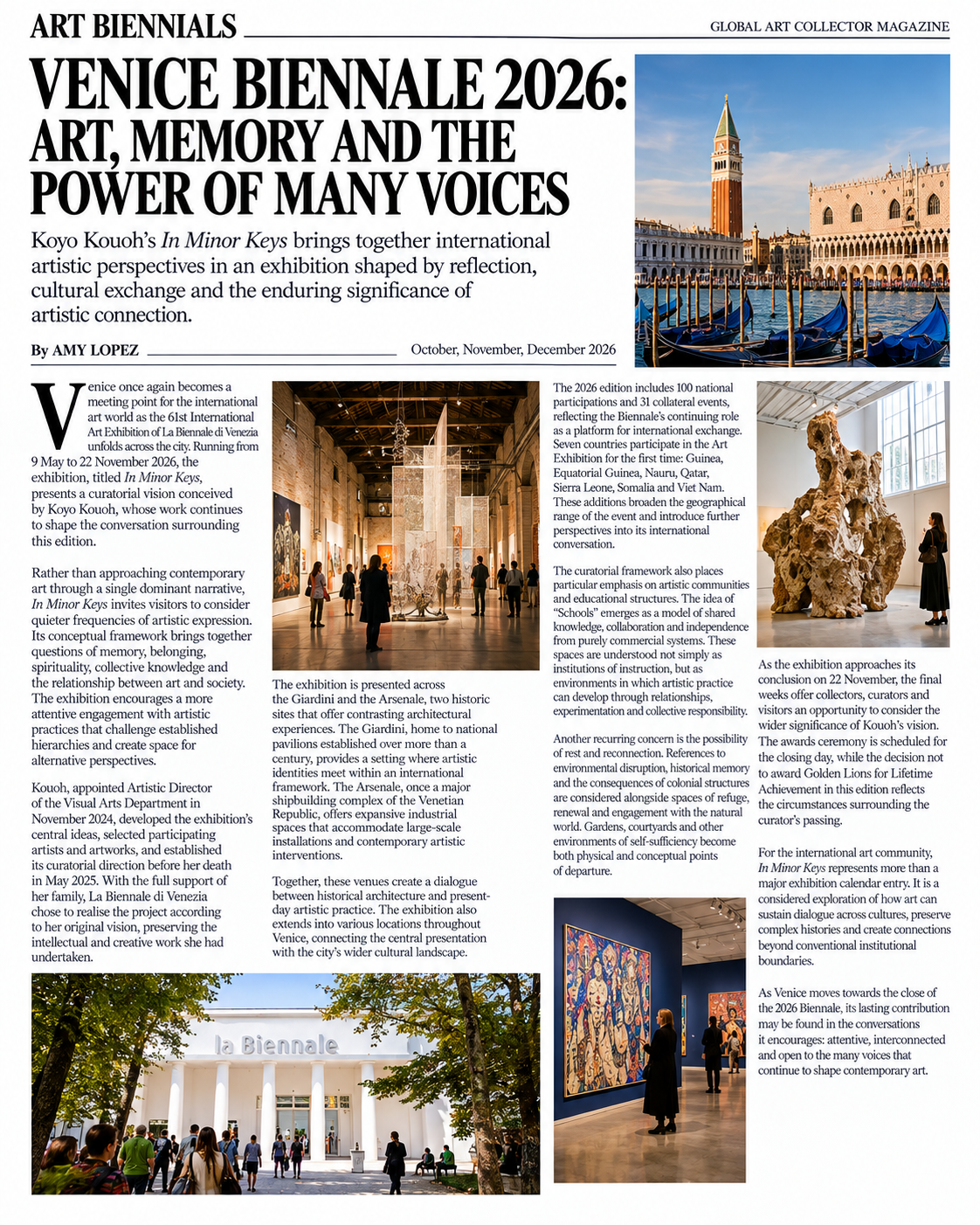
Return to Giardini: National Narratives and Global Stakes at Venice Biennale 2026. Return to Giardini: National Narratives and Global Stakes at Venice Biennale 2026Anticipation and Diplomacy at the Art World’s Most Enduring Pageant.


After a hiatus that saw several national pavilions absent or scaled‑down in previous cycles,2026 heralds a resurgence in global participation. Russia’s return to the Biennale after diplomatic estrangement and cultural silences signals not only an artistic re‑entry but are engagement with the complex politics that such global cultural stages in evitable embody.
Giardini, the historic core of the Biennale, becomes a microcosm of the world’s cultural tensions and alliances where curatorial intention meets national narrative, and where aesthetic innovation intersects with geopolitical messaging.

Curators for 2026 are responding to an art world that is simultaneously moreinterconnected and more fraught than ever. Themes emerging across pavilionpresentations suggest a collective interest inecosystems of memory,decolonial frameworks,andhybridised futuresthat refuse singular origin stories.Artists are chosen not simply for their market traction, but for their capacity to articulatecultural autobiography— narratives that translate personal and national histories intoglobal dialogues. The Biennale thus becomes a forum where identity politics and aestheticexperimentation coalesce, forging exhibitions that are simultaneously intimate anduniversal.
The dynamics of presence — who is at the Biennale and in what capacity — have becomeas consequential as the works on display. Nations invest in their pavilions as embodimentsof soft power and cultural legitimacy. For emerging countries, this stage is an affirmationof artistic sovereignty; for established powers, it is an ongoing negotiation of influence.Russia’s reintegration, for instance, articulates a broader recalibration of Eastern Europe’splace within global cultural cartographies. Its pavilion is expected to spark intensediscussion — about historical mythologies, contemporary ruptures, and the role of statesponsorship in artistic production.
Unlike commercial fairs, the Biennale is not driven directly by sales. Yet its impact on theblue‑chip market is undeniable. Curators and collectors alike watch how artists resonatewithin the Biennale discourse, often setting the tone for gallery programming and auctionoutcomes in the year that follows.Participation, visibility, and critical reception here can translate into elevated marketpositioning, institutional acquisitions, and scholarly attention that reverberate far beyondVenice’s canals.
The 2020s have undeniably been a period of intense volatility for the art market, taking collectors and institutions alike on a rollercoaster of highs and lows. While the initial pandemic years remarkably spurred innovation, particularly in online sales platforms, the subsequent post-pandemic period has presented new challenges. Geopolitical unrest, ongoing conflicts, and persistent inflation have collectively led to a noticeable cooling of the market.
By Anna Gonzales

image credit:
However, as we approach the midpoint of the decade in 2025, a palpable sense of cautious optimism is emerging. This renewed outlook is significantly fueled by continued strides in digital innovation and a growing acknowledgement of the intrinsic value and relevance of emerging mediums within the broader art market.
An expert voice from MyArtBroker, building on a successful track record of past predictions, offers a refined outlook for the coming year. "I’m thrilled to kick off 2025 the same way I began 2024," says the spokesperson, "by outlining five key predictions for the print market. Last year, I focused on broad trends, particularly around technology, and I was delighted to see many of these come to fruition. The art world is evolving, and while numbers are important, the meaningful shifts happening across the market deserve far more attention than the usual doomsday narratives."

image credit: pinterest.com
For 2025, these predictions are more refined and specific, grounded in extensive market research conducted by MyArtBroker throughout 2024. This year's focus will center on the growing influence of emerging art hubs, anticipated record-breaking sales, the future of print fairs, the evolving auction landscape, and, of course, the continued integration of art technology.

image credit: pinterest.com
Here are the five key art market predictions for 2025:
1. Global Sales:
Mid-Year Growth and a Record-Breaking Print Sale in Paris or the Middle EastThe cooling period experienced post-pandemic is expected to give way to a significant rebound in global art sales, particularly in the print sector. MyArtBroker predicts a notable mid-year growth, signaling renewed confidence among collectors and investors. This surge is anticipated to culminate in a record-breaking print sale, likely to take place in one of the burgeoning art hubs like Paris or a major city in the Middle East. These regions are increasingly becoming focal points for high-value transactions, leveraging strategic geographical locations and growing collector bases. This bold prediction signals a renewed confidence in the market's ability to achieve new heights.
2. Artist Market:
Growing Demand for Complete Sets by Andy Warhol and David Hockney's Arrival of SpringThe artist market is set to see specific trends consolidating established names. Demand for complete print portfolios by Andy Warhol is predicted to soar. As a blue-chip artist with timeless appeal, complete sets offer unparalleled investment value and rarity for serious collectors. Similarly, David Hockney, a titan of contemporary art, is poised to see a surge in demand for his highly acclaimed series, The Arrival of Spring. Known for its vibrant digital compositions and profound connection to nature, this series represents both artistic innovation and accessibility within the print market. This highlights a collector preference for established names with strong market liquidity and artistic merit.
3. Print Fairs:
Regional Art Fairs Gain Prominence Over Global Mega-FairsIn a significant shift, MyArtBroker anticipates that regional art fairs will gain substantial prominence, potentially overshadowing the traditional dominance of global mega-fairs. This trend is driven by several factors: regional fairs are often more intimate, community-focused, and accessible, catering to local collector bases and emerging talent. They typically entail lower overheads for galleries and offer a more personalized experience, fostering new relationships and encouraging more spontaneous acquisitions. This decentralization signals a move towards more sustainable and community-driven art ecosystems.

image credit: Biography ( Bio.)
4. Print Auctions:
Auction Houses to Scale Back on Banksy-Only Sales While Hosting an Andy Warhol-Only AuctionAuction house strategies are expected to evolve significantly. While Banksy remains a popular and influential figure, the sheer volume of 'Banksy-Only' sales may have led to a degree of market saturation for dedicated events. MyArtBroker predicts a scaling back of these highly specialized Banksy auctions. Conversely, Andy Warhol’s enduring appeal and status as a cornerstone of post-war art will likely see dedicated auctions focused exclusively on his print works. This strategic pivot by auction houses reflects a nuanced understanding of collector preferences and market stability, prioritizing long-term value over short-term trends.

image credit: pinterest.com
5. Art Tech:
Digital Collection Management Systems Become Essential Across the Art MarketThe integration of technology into the art market will continue at an accelerated pace, with Digital Collection Management Systems (CMS) transitioning from a beneficial tool to an essential component. These systems, which help manage inventory, provenance, conservation, and valuation, will become indispensable for private collectors, galleries, institutions, and auction houses alike. The push towards greater efficiency, transparency, and security within the art world necessitates robust digital infrastructure. No longer a luxury, a professional and comprehensive CMS will be a fundamental tool for navigating the complexities of the contemporary art market.

The market for original prints by blue-chip artists Andy Warhol, Keith Haring, Jean-Michel Basquiat, and Roy Lichtenstein continues to thrive, demonstrating resilience and strong investor confidence in 2025. This sector of the art market shows sustained strength, fueled by a growing appreciation for prints as an accessible entry point into fine art collecting.
By Anna Gonzales

image credit: pinterest.com
Resilient Pricing and Positive Outlook:
Year-to-date auction and private sale results have consistently demonstrated robust pricing, with several notable sales exceeding $50,000. These impressive figures reinforce a positive outlook for investors, suggesting a healthy and stable market with continued growth potential. The sustained demand underscores the enduring appeal of these iconic artists and the inherent value of their limited-edition prints.

image credit: pinterest.com
Market Sentiment:
High Confidence and Growing Demand:
Investor confidence in fine art prints remains exceptionally high. The limited-edition nature of these works, combined with their historical significance and cultural impact, continues to attract a broad range of collectors. The relative affordability compared to paintings further enhances their appeal, making them accessible to a wider pool of buyers. Demand is particularly strong for prints in excellent condition, especially those bearing the artist's signature and complete portfolios.

image credit: pinterest.com
Artist-Specific Trends:
Warhol and Lichtenstein: These two artists lead the market in terms of total sales volume, reflecting their longstanding popularity and the extensive availability of their prints.
Haring: Prints by Keith Haring are experiencing a notable surge in price appreciation, driven by increased interest from a younger generation of collectors who resonate with his vibrant style and social commentary.
Basquiat:
While fewer Basquiat prints exist in circulation, their rarity and intense international demand have propelled them to achieve significant price milestones. This scarcity contributes to their high value and desirability.

image credit: pinterest.com
Expanding Access and Liquidity:
The integration of online sales platforms and digital bidding has significantly expanded access to the market, increasing liquidity and making it easier for collectors worldwide to participate. This accessibility contributes to the overall health and vibrancy of the print market.The market for original prints by Warhol, Haring, Basquiat, and Lichtenstein remains robust and shows strong signs of continued growth in 2025. High investor confidence, increasing demand, and expanding accessibility through online platforms all contribute to a positive outlook for this segment of the fine art market. The consistent high prices achieved, particularly for well-preserved and signed editions, further solidify the value and potential return on investment for collectors.
The art market, a traditionally opaque and often unpredictable realm, is facing a confluence of challenges that are reshaping the landscape of public sales. Third-party guarantees, the increasing fragmentation of regional markets, and dwindling resale premiums have transformed auctions from relatively fluid events into meticulously choreographed spectacles. Recognizing the need for expert navigation in this complex environment, a supergroup of art market veterans has formed a new consultancy to tackle these high-level issues, offering strategic guidance to galleries, auction houses, and private collectors.
By Anna Gonzales

image credit:
The challenges are multifaceted:Third-Party Guarantees: The increasing reliance on third-party guarantees, while offering a degree of security for sellers, introduces complexities and potential risks. These guarantees can skew market perceptions and potentially inflate prices, creating an artificial sense of value. The consultancy aims to provide strategies for mitigating these risks and navigating the ethical considerations involved.
Regional Fragmentation: The art market is no longer solely a Western phenomenon. The rise of Asian and other international markets has led to fragmentation, creating both opportunities and challenges. Understanding the nuances of diverse regional markets and developing effective cross-border strategies is crucial for success, and this is where the consultancy's expertise will be invaluable. Declining Resale Premiums: The decline in resale premiums is a significant concern, impacting the profitability and attractiveness of the secondary market. The consultancy will likely focus on analyzing the reasons behind this trend and developing strategies to enhance the value proposition for collectors.
The team behind this new venture boasts a formidable reputation, built on decades of experience at the highest levels of the art world. Their collective expertise encompasses auction house management, gallery representation, private collection management, and art law. This depth of experience positions them uniquely to address the multifaceted problems currently impacting the market. Their services will likely extend beyond advising on individual transactions. They will probably offer broader market analysis, strategic planning for long-term growth, and risk management solutions. In an increasingly sophisticated and competitive market, their insights and guidance could prove indispensable for those seeking to navigate the complex landscape and achieve sustained success. The emergence of this consultancy marks a significant development in the art world. It reflects a growing recognition that strategic planning and expert guidance are no longer optional but essential for thriving in this dynamic and challenging environment. The art market's future may hinge on the ability of such specialized firms to provide solutions to its most pressing problems.
The art world, ever a reflection of societal shifts and technological advancements, is poised for another transformative year. To gain insight into the defining trends of 2025, we consulted twelve leading curators from institutions across the globe, building upon the predictions made in early 2024 regarding the impact of a tense international sociopolitical climate.
By Anna Gonzales

image credit: pinterest.com
Last year's forecast of a politically charged art scene proved accurate, with exhibitions like the Whitney Biennial prominently showcasing works reflecting global conflicts and the US election. This trend shows no sign of abating. In 2025, expect continued engagement with sociopolitical issues, particularly environmental concerns, according to our panel of experts.

image credit: pinterest.com
A Focus on Activism and Representation:
The curators anticipate that the powerful voices of women and Indigenous artists will be central to these discussions, pushing the boundaries of activist art. Their work will likely explore complex themes through diverse mediums, challenging established norms and furthering critical dialogues.

image credit: pinterest.com
Technology and Tradition in Harmony:
2023's surge in AI art has continued to influence artistic expression and audience engagement. While technology’s role in art creation and presentation remains significant, a fascinating counterpoint is emerging. Several curators highlight a simultaneous resurgence of interest in traditional crafts and natural materials. We can expect to see a captivating interplay between digital innovation and the tactile beauty of textiles, ceramics, and other handcrafted forms. This suggests a desire for a more grounded, material connection even as technology permeates artistic practices.

image credit: pinterest.com
This collective vision paints a vibrant picture of 2025's art world:
a landscape where urgent social and political commentaries intertwine with technological innovation and a renewed appreciation for traditional craftsmanship. The year promises a rich tapestry of artistic expression, reflecting a complex and ever-evolving world. The absence of specific quotes necessitates filling in the blanks above with insightful predictions based on the overall tone and themes established in the prompt.

image credit: flickr.com
The art world is a whirlwind of activity, with major biennials, fairs, and exhibitions constantly vying for attention. For discerning collectors like Laurie Ziegler, navigating this landscape requires keen foresight and a global perspective. Ziegler, a prominent Los Angeles-based arts patron, offers a glimpse into her anticipated highlights for 2025, showcasing a year promising rich artistic experiences across continents.
By Virginia Anderson

image credit: flickr.com
Ziegler's forecast begins in the Middle East, predicting a surge of international interest in the region. "2025 starts with the opening of the Islamic Arts Biennale in Riyadh and the Sharjah Biennial in early February," she notes. These significant events, coupled with the Dubai Art Fair in April, will undoubtedly draw a substantial international audience, creating a vibrant hub for art enthusiasts.
Shifting focus to South America, Ziegler highlights the impact of Adriano Pedrosa's curation of the 2024 Venice Biennale. This, she believes, has brought renewed global attention to Brazil's thriving art scene. "I foresee more international guests at SPArte in April, ARPA in May, or at the opening of the 36th edition of the São Paulo Bienal," she explains, suggesting that the proximity of the São Paulo Bienal (opening in September) to Art Rio will allow international patrons to efficiently experience both cities' artistic offerings.
Looking beyond established powerhouses, Ziegler's gaze turns to Georgia. She expresses excitement about the burgeoning talent emerging from the country, particularly those introduced by Tbilisi's Gallery Artbeat at NADA Miami and Paris Internationale. "Tamo Jugeli is having a show at Karma in L.A. this January, Nika Kutateladze will have a show at Mendes Wood DM, and Nina Kintsurashvili will have a show at Polina Berlin in New York this March," she reveals, highlighting the international reach of these Georgian artists.
Ziegler's insights offer a compelling roadmap for art lovers in 2025. Her focus transcends individual exhibitions, emphasizing the interconnectedness of the global art world and the opportunities for discovery that arise from attending major events and following emerging artists across diverse geographical locations. From the bustling fairs of the Middle East to the dynamic scenes of Brazil and the exciting new voices from Georgia, 2025 promises to be a year of significant artistic exploration.
In the vibrant realm of art collecting, shifts in market dynamics can dramatically influence both seasoned collectors and newcomers alike. As the speculative bubble on ultra-contemporary art has burst, many have felt the repercussions. However, amidst these disheartening effects lies an opportunity for a more discerning approach to collecting. Nike O. Opadiran, a prominent lawyer based in Washington, D.C., shares her perspective on these nuanced developments and highlights exciting upcoming exhibitions that promise to enrich the local art scene
In the vibrant realm of art collecting, shifts in market dynamics can dramatically influence both seasoned collectors and newcomers alike. As the speculative bubble on ultra-contemporary art has burst, many have felt the repercussions. However, amidst these disheartening effects lies an opportunity for a more discerning approach to collecting. Nike O. Opadiran, a prominent lawyer based in Washington, D.C., shares her perspective on these nuanced developments and highlights exciting upcoming exhibitions that promise to enrich the local art scene.
By Virginia Anderson

image credit:
Opadiran recognizes that the current state of the art market presents a unique advantage for dedicated collectors. "This is a good time to be a genuine collector," she states. The previous frenzy of inflated prices and speculative acquisitions has diminished, allowing collectors to take a step back and reassess their strategies. With the pressure of rapid investment fading, Opadiran finds herself embracing the chance to be more selective and deliberate in her acquisitions. The art market's recalibration has opened doors to accessible, quality works, making it an opportune moment to refine personal collections without the pressures of inflated costs.
In a region as culturally rich as Washington, D.C., Opadiran's focus remains primarily local, although her enthusiasm for art is universal. "I don’t have much on my radar outside of D.C.," she notes, reflecting the city's vibrant artistic community. However, her excitement for notable exhibitions showcases the dynamic nature of D.C.’s art scene.
Coming up in April, Opadiran is particularly eager to see Adam Pendleton’s work at the Hirshhorn Museum. Pendleton's innovative approach, which often blends text and visual elements, offers a contemporary commentary on race, identity, and the broader human experience. His ability to challenge viewers' perceptions of art is something that resonates well with Opadiran's vision as a collector striving for depth in her collection.
Later in the year, she looks forward to Amy Sherald's exhibition at the National Portrait Gallery in September. Sherald, renowned for her striking portraits and mastery of color, gained widespread acclaim for her depiction of former First Lady Michelle Obama. Her work’s capacity to convey narratives of identity and history aligns with Opadiran's appreciation for artists who not only create compelling visuals but also provoke thought and reflection.
In this era of recalibration, collecting art is no longer solely about financial investment or status; it is a deeply personal journey. For Opadiran, it promotes engagement with artists whose work resonates with her values and beliefs. The current landscape invites collectors to focus on the stories behind the art, fostering connections that transcend mere possession.
As art enthusiasts navigate the evolving landscape, Opadiran's reflections serve as a reminder of the importance of intentionality in art collection. The new normal encourages a shift towards authenticity, where genuine appreciation for quality works takes precedence over speculative gains. With pivotal exhibitions like those of Pendleton and Sherald on the horizon, collectors in Washington, D.C. have much to look forward to, marking a return to the heart of what it means to truly collect art.
Sarah Arison, a prominent New York arts patron, offers insightful perspectives on the evolving landscape of the art world, highlighting the innovative integration of art into diverse industries and the crucial support for artist-mothers. Arison's observations point to a dynamic shift, showcasing art's increasing influence beyond traditional galleries and museums.
By Virginia Anderson

image credit:
Arison's attention is drawn to Work of Art Holdings (WOAH), a pioneering company founded by art world veteran Michi Jigarjian. WOAH's unique approach focuses on integrating art into sectors like sports, real estate, hospitality, technology, wellness, and fashion. Arison believes this strategy is not merely aesthetic; it fosters deeper community engagement, sparks innovation, and leaves a lasting cultural and social footprint. This forward-thinking model suggests that art's value extends far beyond its intrinsic beauty, impacting the very fabric of various industries.
Beyond the corporate integration of art, Arison also emphasizes the importance of supporting artists themselves, particularly those facing unique challenges. She expresses immense enthusiasm for Camille Henrot's upcoming monumental exhibition at Hauser & Wirth in New York. However, her praise extends beyond Henrot's artistic talent to acknowledge the artist's commitment to her community. Arison specifically highlights Henrot's involvement in the founding of Artists and Mothers, an organization dedicated to supporting emerging and mid-career artists who are also mothers.

Arison rightly points out the significant hurdles faced by mothers in the art world, a population often overlooked and underserved. The establishment of Artists and Mothers addresses this critical need, providing much-needed resources and recognition. This initiative underscores a growing awareness of the systemic barriers that prevent artists from balancing creative pursuits with the responsibilities of motherhood. Arison's excitement about this organization underlines the vital role of supporting initiatives that promote inclusivity and equity within the art world.
In conclusion, Sarah Arison's commentary reveals a dynamic and evolving art world. Her perspective highlights not only the exciting intersections between art and various industries driven by innovative companies like WOAH, but also the crucial need to support and empower artists, especially mothers, who often face significant challenges in pursuing their creative endeavors. Her observations suggest a future where art's influence is both broadened and deepened, enriching both the commercial landscape and the artistic community.
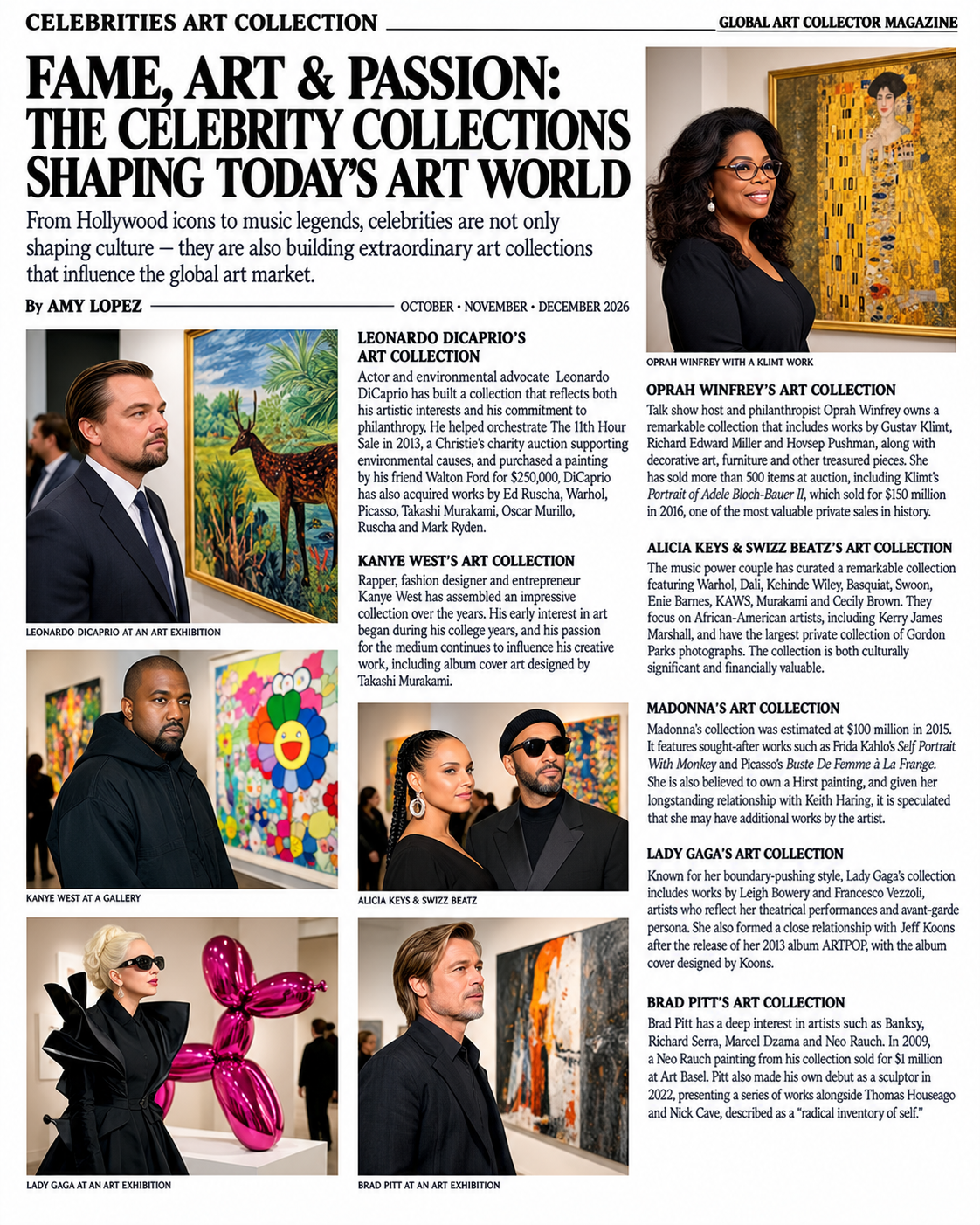
Oprah Winfrey, the media mogul and philanthropist, is known for her many accomplishments, but her impressive art collection stands as a testament to her discerning taste and passion.
By Kathleen Thomas

image credit: Pin page
Oprah Winfrey, the media mogul and philanthropist, is known for her many accomplishments, but her impressive art collection stands as a testament to her discerning taste and passion. From iconic pieces by Gustav Klimt to works by lesser-known artists, Winfrey's collection reflects a diverse range of styles and periods.
Her art holdings encompass decorative art, furniture, fine art, and other passion assets, showcasing a keen eye for both aesthetics and investment. The breadth of her collection is vast, with whispers of over 500 items, culminating in a noteworthy auction that yielded a significant return for the billionaire.

image credit: Oprah Daily
One of the most noteworthy events surrounding Winfrey's art collection occurred in 2016, when she made headlines by selling Gustav Klimt's Portrait of Adele Bloch-Bauer II for a staggering $150 million. This private art deal was considered the largest of its kind at the time, further solidifying Winfrey's position in the world of art collecting.
While Winfrey's collection is certainly impressive, it's equally noteworthy for its philanthropic impact. Her willingness to sell pieces, like the Klimt portrait, for astronomical sums allows her to fuel her various philanthropic endeavors.

image credit: flickr.com
This demonstrates that her passion for art extends beyond personal enjoyment, encompassing a broader commitment to making a difference in the world.
Winfrey's art collection is a testament to her discerning taste, financial acumen, and philanthropic spirit. It serves as a reminder that art can be more than just an investment – it can be a powerful tool for social change.

image credit: pinterest.com
Further Research:
While information on the specifics of Winfrey's collection is limited, additional research

image credit: Jp.pinterest.com
can be conducted to explore:
The current status of her remaining collection and its estimated value.The stories behind the acquisition of specific pieces and their significance to her.The philanthropic organizations that have benefited from the sale of pieces from her collection.By delving deeper into these aspects, we gain a richer understanding of Winfrey's unique relationship with the art world and its role in her life and legacy.
Climate change is not simply an environmental issue; it is a human rights crisis. Its impacts, both direct and indirect, threaten a wide range of internationally guaranteed human rights, impacting individuals, communities, and nations across the globe.
By Michael Thompson
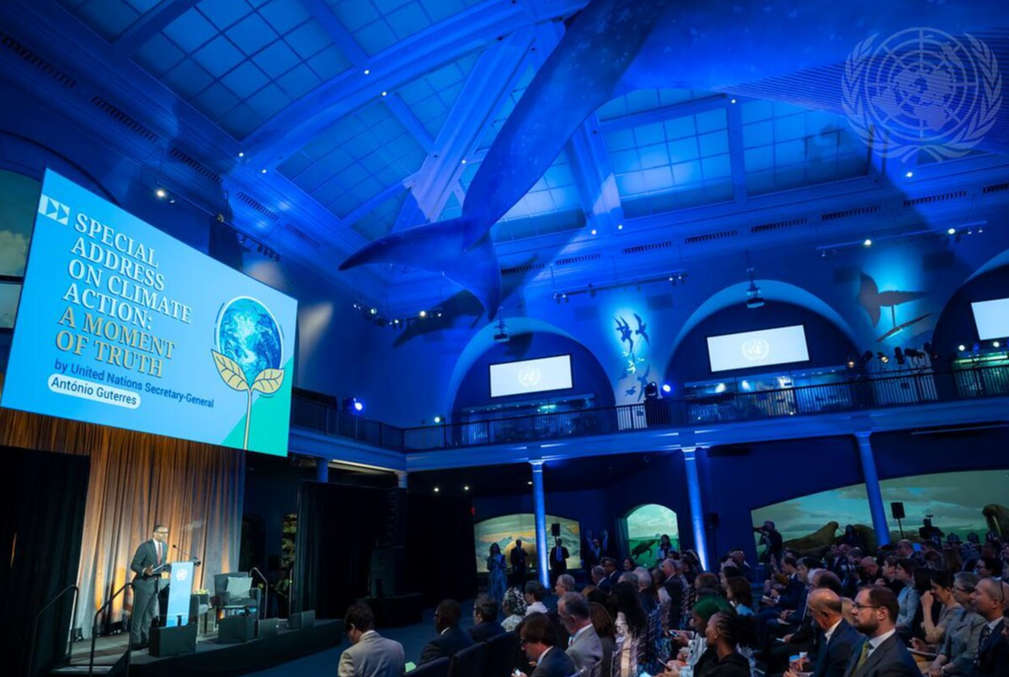
image credit: flickr.com
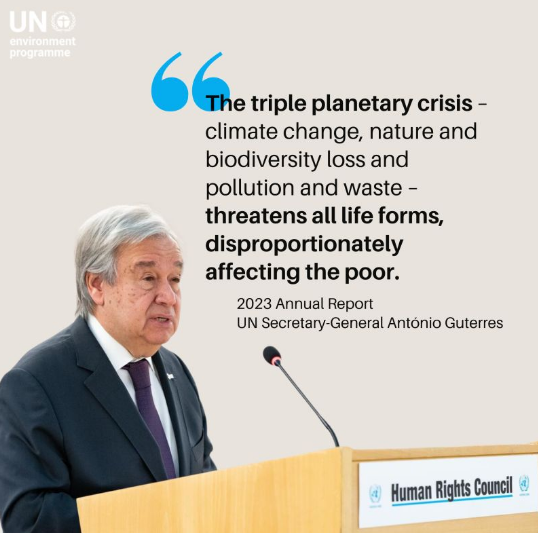
image credit: Linkedin.com

image credit: flickr.com
image credit: X.com
The year 2025 marks a significant milestone for the United Nations, its 80th anniversary. This anniversary will not be a mere commemoration; instead, it serves as a springboard for renewed commitment to its core mandates and a critical juncture for global cooperation on pressing issues. The UN's 2025 calendar promises a year packed with events focused on achieving the Sustainable Development Goals (SDGs), mobilizing climate action, upholding human rights, strengthening peace and security, responding to crises and conflicts, and ultimately, making a compelling case for multilateralism in an increasingly fragmented world.
By Edward William
While a detailed, date-specific calendar is yet to be officially released by the UN, we can anticipate a series of high-profile events based on the organization's declared priorities:
Sustainable Development Goals (SDGs): 2025 will be a critical mid-point review year for the SDGs, adopted in 2015 with a 2030 deadline. Expect numerous high-level meetings, forums, and reports assessing progress, identifying gaps, and strategizing for accelerated action across all 17 goals. These events will likely feature prominent figures from governments, civil society, the private sector, and academia, emphasizing the need for integrated approaches and collaborative partnerships. The focus will likely be on those goals lagging behind schedule, requiring urgent attention and innovative solutions.
Mobilizing Climate Action: The urgency of climate change demands continued and intensified action. 2025 will see further negotiations under the UN Framework Convention on Climate Change (UNFCCC), building upon previous commitments and striving for more ambitious targets. Events will likely focus on concrete measures for emissions reduction, adaptation strategies, climate finance, and technology transfer. Expect increased scrutiny on commitments made by nations and a push for greater transparency and accountability. The interconnectedness of climate change with other SDGs, such as poverty eradication and food security, will also be a prominent theme.
Human Rights: The UN's commitment to human rights remains fundamental. 2025 will likely feature events focused on the protection of vulnerable groups, addressing discrimination and inequality, and promoting human rights education. Specific events may revolve around promoting gender equality, combating racism, protecting the rights of children and refugees, and advancing the rights of persons with disabilities. Expect strong advocacy from UN human rights mechanisms and civil society organizations.
Peace and Security & Responding to Crisis and Conflict: Maintaining international peace and security, and responding effectively to crises and conflicts are core UN functions. 2025 will see ongoing efforts to address ongoing conflicts, prevent new ones, and strengthen peacekeeping operations. Expect discussions on conflict resolution strategies, peacebuilding initiatives, humanitarian aid, and the role of international law in maintaining global stability. The impact of climate change, resource scarcity, and migration on conflict dynamics will likely be explored.
Making the Case for Multilateral Cooperation – The UN at 80: The UN's 80th anniversary provides a critical opportunity to reaffirm the importance of multilateralism in addressing global challenges. Celebratory events will be combined with substantive discussions on strengthening the UN's institutional framework, enhancing its effectiveness, and adapting to the evolving geopolitical landscape. The focus will be on demonstrating the value of international cooperation and reinforcing the UN's role as a vital platform for dialogue and collective action.
While specific dates and locations are still forthcoming, the overarching themes for the UN's 2025 agenda are clear. The year promises to be a pivotal moment for global cooperation, demanding concerted action from all stakeholders to tackle the pressing challenges of our time and build a more sustainable and equitable future. Following official announcements from the UN will be crucial to staying abreast of the specific events and opportunities to participate.
In the opening months of 2026, art continues to serve as one of the most potent tools for advocating human rights. Street murals and public installations have surged in cities worldwide, turning blank walls into bold statements against injustice, inequality, and oppression. Artists use vibrant colors and striking imagery to highlight issues like racial justice, gender equality, and freedom from discrimination. These works often appear spontaneously in urban spaces, drawing crowds and sparking discussions that traditional media sometimes overlook. The immediacy of such art allows it to reach everyday people, making abstract concepts of rights feel urgent and personal. From raised fists symbolizing resilience to portraits of marginalized figures, these creations remind viewers that dignity is a shared human pursuit, not a distant ideal.

The world of art is often a labyrinth of complex forms and interpretations, but there are moments when a single artist's vision pierces the veil, revealing a profound and captivating reality. Édouard-Guillaume, a celebrated figure in the realm of surrealism, is one such artist. Now, Fondation pour le Musée d'Art Moderne de Paris is dedicated to bringing his extraordinary works to the forefront, illuminating the power and beauty of this revolutionary art movement.
By Richard Walker

image source : Edward William
Beyond the Canvas:
A Mission to Engage and Inspire
The Fondation is more than just a repository of art; it's a dynamic platform committed to promoting Édouard-Guillaume's legacy and fostering a deeper understanding of surrealism. Their mission is threefold:
Sharing the Artistic Vision:
The Fondation actively engages in showcasing Édouard-Guillaume's works through meticulously curated exhibitions, offering the public an immersive experience into the artist's unique perspective.
Unveiling the Deeper Meaning:
Their website and publications delve into the intricate world of surrealism, offering insightful analysis, critical commentary, and educational resources to unlock the deeper meaning behind Édouard-Guillaume's captivating works.

image source : Edward William
Building Bridges: The Fondation collaborates with international institutions, fostering dialogues and exchanges that transcend geographical boundaries, making surrealism accessible to a global audience.
A Legacy of Dreams and ImaginationÉdouard-Guillaume's works are a testament to the boundless potential of human imagination. His paintings, sculptures, and installations transcend the boundaries of the physical world, inviting viewers to explore the hidden depths of their own subconscious. Through his art, he challenges conventional perceptions, blurring the line between reality and fantasy.
A Call to Embrace the Unconventional
The Fondation's commitment to showcasing Édouard-Guillaume's work is not just about art appreciation; it's about embracing the power of unconventional thinking. Surrealism, with its emphasis on dreams, the unconscious, and the irrational, encourages viewers to challenge their preconceived notions and embrace the boundless possibilities of the human mind.
By engaging with Édouard-Guillaume's works and the world of surrealism through the Fondation's initiatives, we unlock not only a deeper understanding of art, but also a richer understanding of ourselves. It's an invitation to embrace the unconventional, to explore the hidden depths of our own imagination, and to appreciate the transformative power of art.
Hong Kong's vibrant arts scene is set to sparkle even brighter with the upcoming Art! WeCan 2025 exhibition, a dynamic project spearheaded by the Hong Kong Youth Arts Foundation. This exciting event will transform Central Pier No. 7 and the charming "Twinkling Star" Ferry into captivating canvases, showcasing the exceptional talent and creativity of Hong Kong's young artists.
By Richard Walker
More than just an exhibition, Art! WeCan 2025 promises to be an immersive experience. The unique locations chosen—the bustling Central Pier No. 7 and the picturesque "Twinkling Star" Ferry—offer a compelling juxtaposition of urban energy and tranquil beauty, providing a striking backdrop for the artwork on display. Imagine strolling along the pier, surrounded by vibrant installations and thought-provoking pieces, before embarking on a ferry ride where the art continues, transforming the journey into a floating gallery.
The exhibition is designed to be accessible and engaging for all ages. The works themselves will likely span a diverse range of mediums, from traditional painting and sculpture to more contemporary forms like digital art, installations, and performance art. This breadth of artistic expression reflects the multifaceted nature of youth creativity and ensures a captivating experience for every visitor. Expect to see pieces that explore a wide spectrum of themes, reflecting the experiences, perspectives, and aspirations of young artists in Hong Kong.

The Hong Kong Youth Arts Foundation's commitment to nurturing young talent is central to the Art! WeCan 2025 initiative. By providing a platform for these artists to showcase their work on such a prominent scale, the foundation is not only celebrating their achievements but also fostering their future growth and development within the art world. The exhibition serves as a powerful testament to the importance of investing in young artists and providing them with the opportunities they need to flourish.

Research and resources:
Beyond the visual spectacle, Art! WeCan 2025 aims to spark dialogue and encourage interaction. The exhibition's location, easily accessible to both locals and tourists, ensures it reaches a wide audience, fostering cross-cultural exchange and appreciation for the arts. The immersive nature of the event—from the pier to the ferry—further enhances the experience, creating a memorable and engaging encounter with the vibrant energy of Hong Kong's young artistic community.

Art! WeCan 2025 is more than just an exhibition; it's a celebration, a testament to youth potential, and a vibrant addition to Hong Kong's cultural landscape. Keep an eye out for the official dates and further details regarding this exciting event, promising to be a highlight of the Hong Kong arts calendar.


The Fondation Louis Vuitton, a stunning architectural marvel in Paris, is preparing to host a truly spectacular exhibition: "David Hockney 25." From April 9th to September 1st, 2025, this immersive retrospective will transport visitors into the vibrant and ever-evolving world of one of the most influential artists of our time, David Hockney.
By Richard Walker

More than just a chronological display, "David Hockney 25" promises an unprecedented exploration of the artist's prolific career. The exhibition will leverage the Foundation's expansive spaces, weaving together iconic works with never-before-seen pieces, offering a fresh perspective on Hockney's multifaceted genius. Expect to encounter a kaleidoscope of mediums – from his groundbreaking early paintings to his innovative iPad drawings and video installations – all thoughtfully curated to highlight the artist's consistent experimentation and relentless pursuit of new visual languages.


Fifty years ago, the Dalí Theatre-Museum opened its doors in Figueres, Spain, marking the culmination of Salvador Dalí's ambitious project: a museum dedicated to his own artistic genius. This wasn't just any museum; it was a Gesamtkunstwerk, a total work of art, meticulously designed and curated by Dalí himself, offering visitors a truly Dalinian experience – a journey, as its director Fèlix Roca puts it, "inside the artist's brain."
By Richard Walker

image credit:
Since its opening on September 28, 1974, the museum, with its striking burgundy-red exterior adorned with bread rolls and giant eggs, has captivated over 35 million visitors – a remarkable feat considering Figueres' population of just 48,000. Recently, the museum celebrated its 50th anniversary with a ceremony attended by the King of Spain, highlighting its enduring appeal and impact. The museum's chaotic, dreamlike interior is a testament to Dalí's surrealist vision. Iconic pieces like the Rainy Taxi and Face of Mae West, Which Can Be Used as an Apartment, are just a few examples of the mind-bending installations that await visitors. Three-quarters of the museum's current layout remains as Dalí intended, with notable additions like the 2001 annex showcasing the artist's jewelry designs. Even Dalí's crypt, surprisingly modest compared to the rest of the museum, is open to visitors, located beneath the old theatre stage.

image credit:
The Dalí Theatre-Museum is one of three sites managed by the Gala-Salvador Dalí Foundation, a non-profit organization established by Dalí in 1983 to preserve and promote his artistic legacy. The foundation also oversees the Salvador Dalí House in Portlligat and Gala Dalí Castle in Púbol, both posthumously converted into museums. This commitment to preserving Dalí's vision extends to the meticulous cataloging and authentication of his works, a crucial aspect of the foundation's work.
The foundation's financial independence, largely driven by ticket sales and licensing, allows for creative freedom. The successful year of 2023, with a profit of €7.3 million, is a testament to this model and the enduring popularity of Dalí's work. This success is further bolstered by the widespread popularity of the Dalí Theatre-Museum itself (the seventh most popular art museum in Spain in 2023) and the touring immersive exhibitions showcasing his art worldwide.

image credit:

image credit:

image credit:

Image credit:

image credit:
The recent acquisition of Dalí's The Birth of Liquid Anguish for £1,976,000 underscores the foundation's commitment to enriching its collection and maintaining its international reach. This acquisition, along with the ongoing maintenance of three sites, is made possible by its financial success, reflecting the enduring global fascination with the surrealist genius of Salvador Dalí and his lasting legacy. The Dalí Theatre-Museum stands as a powerful testament to an artist who not only created art but also designed his own immortality.
The Aga Khan Museum in Toronto is currently hosting a captivating exhibition, "Light: Visionary Perspectives," which explores the multifaceted role of light across diverse cultures and artistic expressions. Running until April 21, 2025, this immersive experience delves into the symbolic, spiritual, and artistic significance of light, offering visitors a unique and thought-provoking journey.
By Richard Walker
While specific details about the exhibited artworks aren't readily available without accessing the museum's official website or press releases, the exhibition's title suggests a broad and interdisciplinary approach. We can anticipate a diverse collection of pieces showcasing light's representation throughout history and across geographical regions. This might include:
Religious and Spiritual Contexts: Light often symbolizes enlightenment, divinity, and knowledge in various faiths. The exhibition likely features artifacts and artworks that explore these interpretations, potentially drawing from Islamic, Christian, Buddhist, and other traditions.
Artistic Interpretations: Light's impact on artistic creation is undeniable. Expect to see paintings, sculptures, and potentially even installations that utilize light as a medium or subject matter, demonstrating how artists across different periods have captured its ethereal quality. This could include examples of stained glass, shadow play, or contemporary light installations.

image credit:
Scientific and Technological Perspectives: The exhibition may also address the scientific understanding of light, possibly showcasing the evolution of technologies that manipulate and utilize light, from early lamps to modern advancements.
Cultural Significance: The display will likely highlight how different cultures have perceived and utilized light in their daily lives, rituals, and celebrations. This could include examples of illumination in architecture, festivals, or everyday objects.
"Light: Visionary Perspectives" promises to be more than just an art exhibition; it's an exploration of a fundamental element that has shaped human experience across time and cultures. By examining light through diverse lenses—artistic, spiritual, scientific, and cultural—the Aga Khan Museum offers a unique opportunity to reflect on its enduring significance. For those in Toronto, or planning a trip there, a visit to this exhibition is highly recommended. To obtain detailed information on the specific artworks showcased, visiting hours, and ticket information, it is crucial to consult the Aga Khan Museum's official website.
The J. Paul Getty Museum in Los Angeles presents a major retrospective of the work of Cuban-American artist María Magdalena Campos-Pons, titled "Behold," running from February 11th to May 4th, 2025. This exhibition promises a comprehensive exploration of Campos-Pons's multifaceted career, showcasing her innovative and deeply personal approach to art that blends performance, photography, sculpture, video, and installation.
By Richard Walker

image credit:
Campos-Pons's work is characterized by its exploration of identity, memory, and the complexities of her bicultural heritage. Born in Camagüey, Cuba, and now residing in the United States, she navigates the intricacies of displacement, cultural hybridity, and the enduring legacies of colonialism and slavery. Her art often employs symbolic imagery drawn from her personal life, Afro-Cuban traditions, and the historical narratives that have shaped her experience.
"Behold" is expected to trace the evolution of Campos-Pons's artistic practice, revealing the recurring themes and stylistic innovations that define her oeuvre. Expect to see a selection of her iconic photographic works, often featuring her family members and exploring themes of familial bonds and the passage of time. Her performances, documented through video and photography, will likely be a central component of the exhibition, offering insights into her process and the performative aspects of her artistic vision. The exhibition will also showcase her intriguing sculptures and installations, often incorporating found objects and materials imbued with personal and cultural significance.
The Getty's presentation will delve into Campos-Pons's engagement with materials and their symbolic weight. Her works often incorporate elements that speak to the historical and cultural contexts of her experiences, creating a powerful dialogue between personal narrative and broader social and political realities. This multi-layered approach makes her art both deeply intimate and profoundly resonant for a wide audience.
"Behold" isn't just a chronological survey; it promises to be a deeply engaging experience that challenges viewers to consider the complexities of identity, memory, and the lasting impact of history. The exhibition's title, "Behold," itself suggests a call to attention, urging viewers to contemplate the richness and depth of Campos-Pons's artistic vision. By bringing together a significant selection of her works, spanning several decades, the Getty offers a rare opportunity to fully appreciate the profound impact of this significant contemporary artist. For those interested in contemporary art, performance art, and the exploration of identity through a lens of cultural hybridity, "Behold" is a must-see exhibition.
The Royal Academy of Arts, nestled in the heart of London, is more than just a gallery. It's a vibrant hub where art is not only exhibited but also created, debated, and celebrated. With a rich history spanning centuries, the Royal Academy continues to be a beacon of artistic innovation, attracting both seasoned art enthusiasts and curious newcomers alike.
By Richard Walker

image credit: flickr.com
A Legacy of Artistic Prowess:Founded in 1768, the Royal Academy has played a pivotal role in shaping the British art landscape. Its prestigious Summer Exhibition, the world's largest open submission exhibition, showcases the diverse talents of emerging and established artists, providing a platform for new ideas and perspectives. The Academy also houses the Royal Collection, a treasure trove of works by iconic artists, from historical masterpieces to contemporary creations.
Beyond the Canvas:The Royal Academy is not just about showcasing visual art. It’s a space that fosters dialogue and engagement through its diverse programming. Regular talks, lectures, and workshops delve into the complexities of the art world, providing valuable insights for artists and enthusiasts alike. The Academy also hosts film screenings, live music performances, and special events, creating a dynamic atmosphere that celebrates the multifaceted nature of artistic expression.

image credit: flickr.com
A Look to the Future:Continuing its legacy of innovation, the Royal Academy embraces emerging technologies and contemporary trends. Their innovative exhibitions push boundaries, exploring themes of social justice, environmental consciousness, and technological advancements. This commitment to staying relevant ensures that the Royal Academy remains a vital cultural institution, shaping the artistic landscape for future generations.

image credit: flickr.com
Experience the Art:Whether you're an art aficionado or simply curious about the world of creativity, the Royal Academy of Arts offers a unique and enriching experience. Visiting the exhibitions, attending a talk, or simply enjoying the vibrant atmosphere will leave you inspired and enriched. The Royal Academy is a testament to the enduring power of art to connect, inspire, and challenge – making it a must-visit destination for anyone interested in the world of art and its profound influence on society.
The École Nationale Supérieure des Beaux-Arts (ENSBA) in Paris promises a vibrant summer of artistic exploration in 2025, with a diverse program of exhibitions, workshops, and guided tours spanning July, August, and September. Art enthusiasts and students alike will find a rich tapestry of experiences showcasing both established masters and contemporary explorations.

A key highlight is the "Sur le vif and previously. Pierre Buraglio, works on paper" exhibition, running from May 14th to August 27th at the Musée des Beaux-Arts. This retrospective offers an intimate look at the renowned artist's work on paper, with guided tours providing insightful commentary. Furthermore, participants can delve deeper into Buraglio's creative process through the "In the factory of Pierre Buraglio" workshop, scheduled from July 15th to July 18th. This hands-on experience promises an unparalleled opportunity for aspiring artists. The ENSBA will also offer other workshops throughout the summer focusing on painting, sculpting, and broader creative exploration, fostering a dynamic learning environment.
For those interested in fashion and 20th-century history, the "Les Années folles de Coco Chanel" exhibition at the Villa Paloma is a must-see. Open throughout the summer, this expansive exhibition will feature over two hundred works, encompassing fashion designs, paintings, photographs, and installations, providing a comprehensive look at Coco Chanel's creative world during the roaring twenties.

Beyond these central events, the Musée des Beaux-Arts will host additional exhibitions. "Catch them all!", running from July 9th to August 27th, and "Multiple materials", from June 21st to August 29th, promise further opportunities to engage with diverse artistic styles and mediums.

This summer's program at the ENSBA is a testament to the school’s commitment to fostering artistic growth and appreciation. Whether you're a seasoned art aficionado or a curious newcomer, the diverse range of exhibitions and workshops offers a unique and enriching experience, making a summer trip to Paris in 2025 a truly memorable artistic journey. Further details on specific dates, times, and registration for workshops will be available closer to the summer on the ENSBA website.
Planning a trip to Paris in the fall of 2025? Art enthusiasts will find a rich tapestry of experiences awaiting them, combining the academic rigor of the École du Louvre with the breathtaking exhibitions of the Musée du Louvre. While the École du Louvre itself will not be hosting art exhibitions during the summer months of July, August, and September 2025, it offers a dynamic program of art history and archaeology courses that shouldn't be missed.
Planning a trip to Paris in the fall of 2025? Art enthusiasts will find a rich tapestry of experiences awaiting them, combining the academic rigor of the École du Louvre with the breathtaking exhibitions of the Musée du Louvre.While the École du Louvre itself will not be hosting art exhibitions during the summer months of July, August, and September 2025, it offers a dynamic program of art history and archaeology courses that shouldn't be missed.
These include: A robust curriculum of art history and archaeology courses: These courses cater to various levels, from introductory to specialized fields, and are offered both in-person and online. This provides flexibility for those wishing to study art history at their own pace and convenience.Winter School in Paris (2025): Focusing on the timely theme of "Provenance Research & Duty of Care," this intensive program offers a deep dive into crucial aspects of art history and preservation.
International Collaborations: The École du Louvre actively participates in international summer programs in French Museology, collaborating with prestigious universities such as St Andrews, Essex, Peking University, and Columbia University.Expansion to Nice: Starting September 2025, the École du Louvre is expanding its reach with new art history courses in Nice.
Musée du Louvre Highlights:The Musée du Louvre will be a major draw for art lovers in the fall of 2025, hosting several significant exhibitions:"Jacques-Louis David" (October 15, 2025 – January 26, 2026): This major retrospective, coinciding with the bicentenary of David's death, promises a comprehensive look at the artist's work, exploring his relationship with the French Revolution and his impact on artistic modernity. The exhibition will be held in the Hall Napoléon.
"LOUVRE COUTURE" (Extended Run): This fascinating exhibition explores the captivating intersection of art and fashion. Its extended run continues from January 24th to August 24th, 2025, providing ample opportunity to experience this unique blend of artistic expression.
In conclusion, while the École du Louvre’s exhibition schedule is quiet during the summer months, its educational offerings remain vibrant and engaging. The Musée du Louvre delivers a compelling program for art enthusiasts, making Paris a compelling destination for art lovers in the fall of 2025 and beyond. Be sure to check the official websites of both institutions for the most up-to-date information on course schedules, registration details, and exhibition timings.
Chicago, a city known for its towering skyscrapers and undeniable energy, also boasts a vibrant and thriving art scene. From world-renowned museums to independent galleries showcasing cutting-edge talent, the Windy City offers a tapestry of artistic experiences for every taste.
By William Harris

image credit: reddit.com
Here are 10 art galleries to add to your Chicago itinerary, each offering a unique glimpse into the city's artistic pulse:
1. The Art Institute of Chicago: This iconic institution houses a vast collection spanning centuries and continents. From Impressionist masterpieces like Monet's "Water Lilies" to Chicago-born artist Edward Hopper's iconic "Nighthawks," the Art Institute is a must-visit for any art enthusiast.
2. Museum of Contemporary Art Chicago (MCA): Focusing on contemporary art from around the world, the MCA consistently pushes the boundaries of artistic expression. Expect to encounter bold installations, thought-provoking video art, and cutting-edge photography.
3. The Field Museum: While primarily known for its dinosaur exhibits, the Field Museum also boasts an impressive collection of art from various cultures. Explore ancient Egyptian artifacts, intricate Native American textiles, and captivating photography from around the globe.
4. The Renaissance Society at the University of Chicago: This gallery serves as a platform for emerging and established artists working in contemporary art forms. The Renaissance Society offers a dynamic program of exhibitions, installations, and performances that challenge traditional artistic boundaries.

image credit: Terra Foundation for American Art
5. The Hyde Park Art Center: This community-driven art center showcases the work of local artists, highlighting Chicago's diverse artistic landscape. The Hyde Park Art Center also offers workshops, lectures, and events that foster creativity and connection within the community.
6. The National Museum of Mexican Art: Dedicated to showcasing the rich artistic heritage of Mexico, this museum houses a remarkable collection of paintings, sculptures, textiles, and more. From pre-Columbian artifacts to contemporary Mexican art, the museum offers a powerful glimpse into the vibrant cultural tapestry of Mexico.

image credit: Terra Foundation for American Art
7. The Smart Museum of Art: Located at the University of Chicago, the Smart Museum curates exhibitions that spark critical dialogue surrounding diverse artistic movements and cultural experiences. Expect to find a captivating blend of historical and contemporary art, challenging conventional notions of art and its role in society.

image credit: flickr.com
8. The Museum of Contemporary Photography (MoCP): Focused exclusively on photography, MoCP showcases a wide range of photographic styles and perspectives. From vintage prints to cutting-edge digital works, the museum offers a captivating journey through the evolution of photography as a medium.

image credit: flickr.com
9. The Terra Museum of American Art: This gallery houses a comprehensive collection of American art, from colonial times to the present. Explore the artistic evolution of the nation through paintings, sculptures, decorative arts, and more.

image credit: flickr.com
10. The Chicago Cultural Center: This grand beaux-arts building serves as more than just a public space. It also houses a series of rotating exhibitions, showcasing artists from across Chicago and beyond. From photography and painting to sculpture and installation art, the Chicago Cultural Center provides a dynamic platform for engaging with diverse artistic expressions.
These ten galleries offer just a taste of Chicago's vibrant art scene. Whether you're drawn to historical masterpieces, cutting-edge contemporary art, or the work of local artists, Chicago has something to offer every art enthusiast. So, grab your art-loving companions, embark on a journey through the city's artistic landscape, and discover the magic that unfolds within its walls.
Forget the predictable seashell souvenirs and overpriced postcards. This summer, art is taking center stage in the world's most coveted vacation spots.
Forget the predictable seashell souvenirs and overpriced postcards. This summer, art is taking center stage in the world's most coveted vacation spots. Leading blue-chip galleries are setting up shop in beachside havens and picturesque towns, offering a refreshing escape from the traditional art world and a chance to experience high-caliber exhibitions amidst breathtaking scenery.
By William Harris

image credit: Internet Archive
From the sun-drenched shores of the Mediterranean to the vibrant coastlines of the Pacific, these temporary outposts are redefining the summer art experience. In the chic streets of Saint-Tropez, Galerie Thaddaeus Ropac is exhibiting the works of renowned sculptor Louise Bourgeois, offering a poignant contrast to the glittering yachts and sun-kissed beaches. Meanwhile, in the charming village of Portofino, Marian Goodman Gallery is showcasing the bold and colorful paintings of American artist Brice Marden, bringing a touch of abstract elegance to the Italian Riviera.
These new initiatives not only provide a unique access point for art enthusiasts on holiday but also cater to the growing demand for art experiences beyond the confines of a traditional gallery space. These summer destinations, with their relaxed atmosphere and stunning backdrops, offer a fresh perspective on art appreciation, encouraging a more immersive and personal connection.
The trend extends beyond Europe as well. In the heart of the Hamptons, David Zwirner has established a temporary exhibition space showcasing the cutting-edge works of contemporary artists, while Pace Gallery has set up shop in the vibrant arts scene of Los Angeles, offering a glimpse into the world of conceptual and minimalist art.
These temporary exhibitions are more than just a summer fling. They are a testament to the evolving landscape of the art world, embracing new platforms and audiences. By venturing beyond the familiar confines of their city-based galleries, these institutions are actively engaging a wider public and enriching the cultural fabric of these summer destinations.
So, this summer, don't just settle for the usual beachside distractions. Embrace the opportunity to explore the world of art in a new and unexpected setting. From the picturesque landscapes of the Mediterranean to the vibrant energy of the American coastline, the art world is waiting to be discovered beyond the conventional art fair and museum circuits.
Manhattan, a city pulsating with creativity, boasts a vibrant art scene that draws collectors, enthusiasts, and curious minds alike.
Manhattan, a city pulsating with creativity, boasts a vibrant art scene that draws collectors, enthusiasts, and curious minds alike. Amidst the bustling streets and towering skyscrapers, a network of established galleries stands as a testament to the city's artistic legacy. These institutions, each with its unique character and focus, have shaped the contemporary art landscape and continue to be influential forces in the global art world.
By William Harris

image credit: flickr.com
A Glimpse into Tradition:
1 The Metropolitan Museum of Art: A cornerstone of the city's art scene, the Met houses an unparalleled collection spanning millennia, from ancient Egyptian artifacts to modern masterpieces. Its vast galleries offer a journey through art history, showcasing works by masters like Van Gogh, Picasso, and Monet.
2 The Museum of Modern Art (MoMA): Celebrating modern and contemporary art, MoMA features iconic works by Andy Warhol, Frida Kahlo, and Jackson Pollock. Its focus on innovative and thought-provoking pieces makes it a must-visit for any art aficionado.
3 The Whitney Museum of American Art: Dedicated to showcasing American art, the Whitney boasts a collection that reflects the diverse voices and styles of American artists throughout history. From minimalist sculptures to vibrant abstract paintings, the museum offers a comprehensive view of American artistic expression.
Exploring Contemporary Voices:

image credit: flickr.com
5 Gagosian Gallery: A global powerhouse, Gagosian Gallery has locations across the world, including several in Manhattan. Known for representing leading contemporary artists, its exhibitions feature bold and experimental works that push boundaries.
6 Pace Gallery: With a long history of representing influential artists like Louise Bourgeois and Chuck Close, Pace Gallery continues to champion contemporary art with a diverse range of exhibitions and programs.

image credit: flickr.com
7 Marian Goodman Gallery: Focused on highlighting innovative and critical artistic voices, Marian Goodman Gallery features a roster of artists from various backgrounds, challenging conventional notions of art and engaging in provocative discourse.
8 Independent & Experimental:

image credit: flickr.com
9 David Zwirner: This prestigious gallery has carved out a niche for itself by representing both established and emerging artists, focusing on contemporary art across mediums.
10 Hauser & Wirth: With a diverse roster of artists and a commitment to quality, Hauser & Wirth offers a unique blend of historical and contemporary art, fostering dialogue and exploration.

image credit: Marian Goodman Gallery
11 Paula Cooper Gallery: Known for its dedication to showcasing artists across generations, Paula Cooper Gallery has played a critical role in supporting emerging talent and fostering a vibrant art community.
Beyond the Galleries:
Beyond these renowned institutions, Manhattan's art scene thrives with a wealth of smaller galleries, artist-run spaces, and pop-up exhibitions. From the Lower East Side to Chelsea, vibrant art communities have emerged, offering unique platforms for artistic expression.

image credit: Paula Cooper Gallery
In addition to the galleries themselves, the city offers a plethora of art-related events, including art walks, museum talks, and artist studio visits. Whether you are a seasoned collector or a curious newcomer, Manhattan's art scene invites you to explore, discover, and engage with the transformative power of art.
Chicago, a city known for its towering skyscrapers and undeniable energy, also boasts a vibrant and thriving art scene. From world-renowned museums to independent galleries showcasing cutting-edge talent, the Windy City offers a tapestry of artistic experiences for every taste.
Read MoreForget the predictable seashell souvenirs and overpriced postcards. This summer, art is taking center stage in the world's most coveted vacation spots.
Read MoreManhattan, a city pulsating with creativity, boasts a vibrant art scene that draws collectors, enthusiasts, and curious minds alike.
Read MoreTate Modern is set to ignite the London art scene this summer and autumn with two highly anticipated exhibitions running concurrently throughout July, August, and September 2025. These compelling shows offer a fascinating juxtaposition, bringing together the deeply rooted cultural narratives of Emily Kam Kngwarray and the boundary-pushing creativity of Leigh Bowery.
Tate Modern is set to ignite the London art scene this summer and autumn with two highly anticipated exhibitions running concurrently throughout July, August, and September 2025. These compelling shows offer a fascinating juxtaposition, bringing together the deeply rooted cultural narratives of Emily Kam Kngwarray and the boundary-pushing creativity of Leigh Bowery.
Emily Kam Kngwarray: A First for Europe
Prepare to embark on a captivating artistic journey with the exhibition "Beyond the Canvas: The Evolution of Contemporary Digital Art," showcasing the extraordinary works of shag.n william. Opening on Feb 3rd and continuing through Feb 28th, 2025, this exhibition unveils a transformative exploration of digital art's unwavering progression. Drawing inspiration from the renowned cubist master Paul Klee, shag.n william's mesmerizing paintings transcend conventional boundaries.
By William Harris

image credit:
For the first time on a large scale in Europe, Tate Modern, in collaboration with the National Gallery of Australia, presents the groundbreaking work of Emily Kam Kngwarray. Running from July 2025 until January 11, 2026, the exhibition offers a comprehensive exploration of this significant Indigenous Australian artist's life and work. Visitors will be immersed in a rich tapestry of paintings, textiles, film, and audio, revealing Kam Kngwarray's profound connection to her Country and her intimate understanding of the desert ecosystems surrounding her. The exhibition promises to be a moving and insightful journey into the heart of Aboriginal culture and artistic expression.

image credit:
Leigh Bowery: Challenging Conventions
Simultaneously, Tate Modern will showcase the revolutionary work of Leigh Bowery, a figure who defied categorization and continues to inspire. This exhibition dives deep into Bowery's multifaceted career, examining his groundbreaking contributions to fashion, performance, and art. From his iconic "Looks," which pushed the boundaries of self-expression, to his collaborations with other artists, the exhibition will illuminate Bowery's lasting impact on contemporary culture. Showcasing pieces from his time in London, New York, and beyond, the exhibition promises a vibrant and challenging exploration of a truly unique artistic vision.
image credit:
A Summer of Contrasts, a Shared Power
While these two exhibitions offer distinctly different artistic perspectives, both share a common thread: the power of art to challenge conventions, explore identity, and connect us to deeper meanings. The juxtaposition of Kam Kngwarray's deeply spiritual connection to her land and Bowery's audacious exploration of self and identity within the vibrant London and New York scenes promises a summer of compelling and thought-provoking art at Tate Modern. This is a truly unmissable opportunity for art lovers to witness two pivotal figures shaping the artistic landscape, each in their own extraordinary way. Plan your visit now and prepare to be captivated.
image credit:
This summer's Quarterly is a vibrant tapestry woven from the threads of art, architecture, and groundbreaking lives. We delve into the past, present, and future, showcasing the work and legacies of iconic figures and emerging talents alike.
By William Harris

Our cover story celebrates Picasso's Tête-à-tête, the Gagosian exhibition presented in partnership with Paloma Picasso. Michael Cary's insightful essay provides crucial historical context, enriching the experience by situating the artwork within its time. Further illuminating the exhibition, we share a fascinating 1932 conversation between Picasso and his close friend, publisher E. Tériade, offering a rare glimpse into the artist's creative process and personal life.
This issue shines a spotlight on female visionaries who defied norms and reshaped the landscape of art and beyond. We profile the extraordinary Lorraine O’Grady, a fearless trailblazer whose work continues to challenge conventions. Renowned sculptor Rachel Whiteread reflects on the unique challenges of creating public art, revealing the emotional and historical complexities that inform her practice. The rebellious life of Rosemary Woodruff Leary, a pivotal figure in the 1960s psychedelic movement, is explored, showcasing her impact on a generation. Finally, novelist Lauren Elkin engages in a compelling dialogue with artist Julie Curtiss about motherhood, suburbia, and the intriguing intersection of these themes with surrealism, preluding Curtiss' upcoming Parisian exhibition.
Architecture takes center stage in a dedicated section, profiling the diverse styles and approaches of masters and contemporary innovators. We explore the work of Alexander Calder, David Chipperfield, Berthold Lubetkin, and the innovative Wutopia Lab, among others, offering a rich overview of architectural history and current trends.
Adding another dimension to the issue, we present excerpts from a newly expanded edition of Francesco Bonami's captivating "autobiography" of Maurizio Cattelan. This offers a fresh perspective on the artist's life and provocative works, illuminating the man behind the art.
Beyond these central features, the Quarterly offers a diverse range of compelling content. Joshua Chuang provides insightful context to Paul McCartney's lesser-known 1960s photographs, capturing the fervor of Beatlemania. Péjú Oshin engages in a stimulating interview with multidisciplinary filmmaker Jenn Nkiru, exploring her unique artistic vision. And finally, the ever-provocative Hélène Cixous responds to Hans Ulrich Obrist's insightful questionnaire, offering a glimpse into her intellectual world.
This Summer 2025 Quarterly offers a richly diverse and engaging exploration of creativity, innovation, and the enduring power of artistic expression. It's a celebration of visionaries—past, present, and future—whose work continues to shape our world
Chicago, a city known for its towering skyscrapers and undeniable energy, also boasts a vibrant and thriving art scene. From world-renowned museums to independent galleries showcasing cutting-edge talent, the Windy City offers a tapestry of artistic experiences for every taste.
Read MoreForget the predictable seashell souvenirs and overpriced postcards. This summer, art is taking center stage in the world's most coveted vacation spots.
Read MoreManhattan, a city pulsating with creativity, boasts a vibrant art scene that draws collectors, enthusiasts, and curious minds alike.
Read MoreEdward William, a name whispered in hushed tones among art enthusiasts and human rights advocates alike, embodies a powerful duality.
By David Robinson
GAC- How many years of experience do you have in the world of fine art and what initially inspired you to pursue a career in this field?
EW - My journey in the world of fine art has spanned over three decades, marked by a constant thirst for exploration and expression. My earliest memories are filled with the vibrant colors of crayons and the tactile joy of molding clay. This innate fascination with creation blossomed into a deep appreciation for the artistic legacy of humanity, sparking my initial desire to pursue a career in this field. Witnessing the power of art to evoke emotions, challenge perspectives, and inspire conversations ignited a burning passion within me. I was particularly drawn to the intricate details of Renaissance masterpieces, the bold strokes of Impressionist paintings, and the raw emotionality of Expressionist works. These diverse styles, each offering a unique lens through which to view the world, fueled my own creative ambitions. Over the years, my journey has led me through formal art education, countless hours spent in museums and galleries, and countless creative endeavors. Each experience has honed my skills, expanded my understanding of art history, and cultivated a deeper appreciation for the complexities of artistic expression. The desire to contribute to this rich tapestry of human creativity, to leave my own mark on the world through art, remains the driving force behind my ongoing commitment to this field.

image source: edward william
GAC- What are some strategies for incorporating surrealism into artistic works, and how many notable works have been created using this technique?
EW - My heart beats with an unyielding passion for the surreal, a passion ignited by the genius of Salvador Dalí. His art, like a dream escaping the confines of reason, captivates me with its bizarre juxtapositions, melting clocks, and the profound beauty hidden within its unexpected landscapes. Each stroke, every brush mark, whispers of a world beyond our grasp, a realm where logic surrenders to the whims of the subconscious. It is in this surreal space that I find my own artistic voice, my own means of expressing the enigmatic and the uncanny. My canvases teem with Dalinian inspiration, a testament to his profound influence on my artistic path. From the melting clocks of "The Persistence of Memory" to the hallucinatory landscapes of "The Dream," Dalí's works have provided me with an endless source of inspiration for my own artistic explorations. My creations, though uniquely my own, bear the unmistakable mark of Dalí's surrealism, a constant reminder of the power of the subconscious to shape reality. Countless pieces adorn my portfolio, each a testament to my love for this extraordinary art form, each a whisper of the impossible, each a celebration of the world beyond the mundane.
GAC- What is the enduring appeal of surrealism and why do you choose to continue exploring this artistic movement?
EW - The enduring appeal of Surrealism lies in its ability to tap into the subconscious, challenging our perception of reality and revealing the hidden depths of the human psyche. It's a rebellion against the logical and the mundane, a vibrant exploration of dreams, intuition, and the irrational. It's like peering through a distorted mirror, where familiar objects morph into uncanny shapes and familiar scenes dissolve into dreamlike landscapes. As a hyper realistic artist, I spent years meticulously recreating the world as it appeared, but I felt a growing restlessness, a yearning to break free from the confines of literal representation. Gradually, I found myself drawn to the illogical and the fantastical, the distorted and the dreamlike. It was like discovering a hidden world, a realm where logic takes a backseat to intuition and imagination reigns supreme. It was in Surrealism that I found the freedom to express the unsettling beauty of the subconscious, to play with the ambiguity of meaning, and to challenge the very fabric of reality. Like Picasso, I revel in the power of distortion, using it not just to disrupt familiar forms but to reveal a deeper truth, a hidden beauty that exists beyond the confines of our everyday perception. For me, Surrealism is more than just an artistic movement; it's a way of seeing the world, a lens through which I can explore the depths of my own psyche and the mysteries of the human experience. It's a journey that I intend to continue for the rest of my life, always seeking new ways to express the uncanny, the surreal, and the profoundly human.
GAC- Which artist in the Surrealism movement inspired your work and how did their style influence your artistic vision?
EW - Salvador Dalí's iconic works have profoundly influenced my artistic vision, igniting within me a deep-seated passion for the surreal. His masterful manipulation of reality, his ability to conjure dreamscapes on canvas, and his audacious style have become guiding lights in my own creative journey. His melting clocks, his distorted figures, and the unsettling beauty of his dream worlds have challenged me to explore the boundaries of my own imagination and to embrace the power of the subconscious. But Dalí is not alone in his artistic brilliance; I am equally captivated by the entire surrealist movement of the early 20th century. Artists like René Magritte, with his enigmatic juxtapositions, and Joan Miró, with his playful abstractions, have further expanded my understanding of the surreal. Their shared defiance of traditional aesthetics, their embrace of the irrational, and their unwavering commitment to exploring the hidden depths of the human psyche have instilled within me a desire to create art that is both thought-provoking and emotionally resonant. Each brushstroke, each carefully placed element, becomes a portal into the mind's labyrinth, inviting the viewer to lose themselves in a world beyond the ordinary, a world where logic is fluid, where dreams are tangible, and where the unexpected is always around the corner.

image source: edward william
GAC- What specific subject matter do you plan to focus on in your future paintings, and how do you believe it will contribute to the overall direction of your artistic career?
EW -My artistic journey is deeply rooted in the timeless allure of the past, particularly the iconic works of the Old Masters and the rich tapestry of ancient Greek and Roman mythology. It is within these realms of enduring beauty and captivating narratives that I find my inspiration, my muse, and my guiding light. My future paintings will delve into this fertile ground, reinterpreting and reimagining these legendary stories and artistic masterpieces for a contemporary audience. Drawing upon the masterful techniques and compositional elements of the Old Masters, I aspire to imbue my creations with a sense of timeless elegance and technical virtuosity. The mythical figures and epic tales of ancient Greece and Rome will provide an inexhaustible wellspring of subject matter, allowing me to explore themes of heroism, love, sacrifice, and the eternal human condition. Each brushstroke will be a testament to the enduring power of these stories, weaving together the past and present in a harmonious tapestry of art and narrative. This unwavering focus on the classics, I am certain, will not only contribute to the overall direction of my artistic career but will also propel me towards a boundless future, where the possibilities for creative exploration are truly infinite.
GAC- Would you be interested in showcasing your significant works in museums to enhance public awareness?
EW -The prospect of my artwork being collected by art museums for public awareness fills me with immense satisfaction and a sense of fulfillment. It would be an extraordinary honor to have my creations showcased in such esteemed institutions, where they could be enjoyed and appreciated by a wide audience. The thought of contributing to public understanding and appreciation of art is deeply motivating and aligns perfectly with my artistic aspirations. By donating my works, I would be enabling others to engage with my creative vision, fostering a greater appreciation for the power of art to inspire, challenge, and connect us. The idea of my art inspiring others, sparking conversations, and leaving a lasting impact on the cultural landscape is both humbling and exhilarating. It is through such efforts that art transcends its individualistic nature and transforms into a powerful tool for shared experience and collective understanding. Knowing that my work would be accessible to the public, contributing to a broader cultural dialogue, would be a testament to the transformative power of art and its ability to enrich lives.

image source: edward william
GAC- Would you consider donating some of your art works to charity as a way to give back to the community while also gaining exposure for your work among a wider audience of potential art collectors?
EW -Yes, I would be delighted to donate some of my artwork for auction if the funds raised will be directed towards helping those in need. It is deeply fulfilling to know that my creations could contribute to a cause that makes a tangible difference in people's lives. Beyond donating specific works, I would also be thrilled to see my art exhibited and sold continuously for charitable purposes. To facilitate this, I would be happy to work with any NGO who shares this vision. My studio assistant is available to answer any questions and coordinate the details of any potential collaboration. I genuinely believe in the power of art to inspire and uplift, and I am excited to leverage my creative passion to contribute to the greater good alongside organizations dedicated to improving the lives of those in need.

image source: edward william
GAC- What strategies have you implemented as an artist and activist to promote a culture of peace within the U.S. human rights community through your NGO?
EW -U.S. Human Rights and Culture of Peace is an NGO that emphasizes the connection between art and human rights. They believe that human rights are best realized through civil society collaboration and that art can enrich lives and foster inclusive communities. Art, in its various forms, can embody human rights struggles, promoting peace, dignity, and equality. Engaging with art allows individuals to connect with human rights issues, empowering them to take action. Art also serves as a bridge between communities, fostering shared humanity and a common purpose. By utilizing art as a catalyst for change, we can create a more just and sustainable world.

image source: edward william
GAC- What is the purpose and significance of the online museum created by the U.S. Human Rights and Culture of Peace for?
EW -The U.S. Human Rights and Culture of Peace Museum (HRCPM) is committed to advancing human rights and fostering a culture of peace through innovative programs and exhibitions. As a non-profit arts organization, HRCPM aims to educate the public about the importance of human rights and their role in fostering a peaceful society. The museum will showcase diverse art forms, including visual art installations and performances, to inspire dialogue and awareness about human rights issues. HRCPM will also host educational programs, workshops, and community events to engage individuals of all ages in championing human rights and promoting peace.
Pilar Corrias, the founder of the prestigious London gallery bearing her name, didn't follow a conventional path to becoming a leading figure in the contemporary art world. Her life, shaped by a peripatetic childhood as the daughter of a diplomat and a painter, has profoundly influenced her unique perspective and eclectic art collection.
By David Robinson
Born in Tokyo in 1969, Corrias spent her formative years traversing the globe, experiencing firsthand the cultural richness and political complexities of various countries. From the bustling streets of Tokyo to the political upheaval of post-Carnation Revolution Lisbon and the civil war in Angola, her early experiences fostered a deep understanding of global dynamics and a profound appreciation for art as a refuge. Frequent school changes (around 12 or 13!) led to a habit of quiet, independent creativity – "scribbling," as she calls it – a source of personal freedom and safety.
Her mother, a watercolor painter herself, imparted invaluable wisdom: "Whatever mark I made on the paper, it didn’t matter. It was OK." This liberating message freed Corrias to explore without constraint, shaping her artistic sensibilities and influencing her gallery’s diverse roster of artists, including Christina Quarles, Rachel Rose, Tala Madani, and Tschabalala Self.

Corrias's early artistic influences were as varied as her travels. Her childhood home was adorned with a captivating abstract work by Yoshishige Saito, instilling an early appreciation for non-representational art. Her great-grandfather's collection of 19th-century Italian art, including challenging depictions of Madonnas, sparked her feminist consciousness. A striking Diego Rivera portrait of her grandmother and mother, now destined for exhibition at the San Francisco Museum of Modern Art, stands out as a particularly powerful memory, showcasing contrasting portrayals of female strength and vulnerability. The stories surrounding the painting, including anecdotes of Rivera's communist affiliations and encounters with Frida Kahlo, further enriched her artistic worldview.
Her museum experiences were equally formative. The Calouste Gulbenkian Foundation in Lisbon, the Prado Museum in Madrid (particularly Velázquez's Las Meninas), the Alhambra, and the cathedral in Zaragoza all left indelible impressions, highlighting the power of art to transport and inspire. These early encounters, combined with countless hours spent poring over a book on Brueghel, instilled a lifelong passion for art as a means of escape and self-discovery. Even her struggles with art school tutors, who criticized her work for lacking "angst," led her to explore art theory at Columbia University, ultimately embracing conceptual art and finding her artistic tribe.
Corrias's personal collection reflects this diverse background. Her first purchase, Douglas Gordon's text work Chambre, embodies her appreciation for poetic and conceptually driven art. Her dream acquisition, Artemisia Gentileschi's Judith Slaying Holofernes, reveals her deep admiration for powerful female artists and their enduring relevance. Sharing her taste in art are her children, who appreciate the artists she represents.

Pilar Corrias's journey underscores the profound impact of a globally infused childhood on artistic vision and collecting. Her life, a tapestry woven from international experiences and artistic exploration, continues to inspire both her gallery's program and her deeply personal art collection.
Global Art Collector.net is a digital magazine that provides articles, news, and resources for art collectors and enthusiasts around the world.